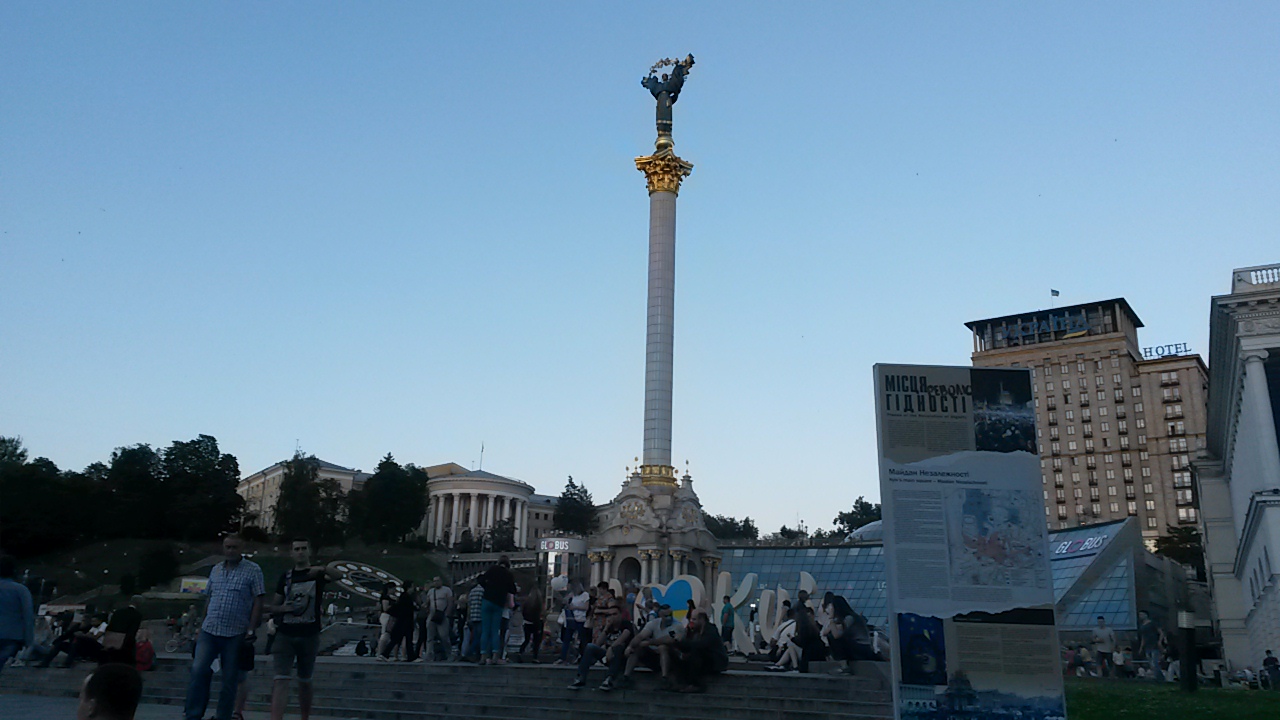
Earlier this year, I had the unique opportunity to visit Kiev in Ukraine. As I was there, I managed to visit some important sites of Ukraine’s modern history, and discover for myself, the reality of post-revolution Kiev.
Kiev is the starting point of a revolution turned unrest that has pitted global powers against each other, changed the political direction of a country and caused many thousands of deaths.
Here is some basic information, including a map and some background on the post 2014 unrest.

It is worth noting that the unrest has mostly been contained in the Eastern regions of Donetsk and Crimea. The reality is that Ukraine is a big country and Kiev has largely been unaffected in terms of tourism and is relatively stable.
Back in late 2013, protests started to fill the streets in several cities in Ukraine against the then president Viktor Yanukovych. Originally because of social issues, the protests quickly became pro-European, drawing in many nationalists, patriots and pro-EU groups. The Yanukovych government was eventually overthrown and he went into exile in Russia. The resulting unrest in Russian majority areas lead to the takeover of Crimea by Russia and Donetsk and Luhansk by pro-Russian separatists.
The current president, Petro Poroshenko (Петрo Порошнко), himself a tycoon founded the well known chocolate company, Roshen (his chocolate shops are everywhere in Kiev). His popularity is not the driving force behind his presidency, in fact he has served purely for stability purposes.
The ‘Former’ Lenin Monument, Kiev 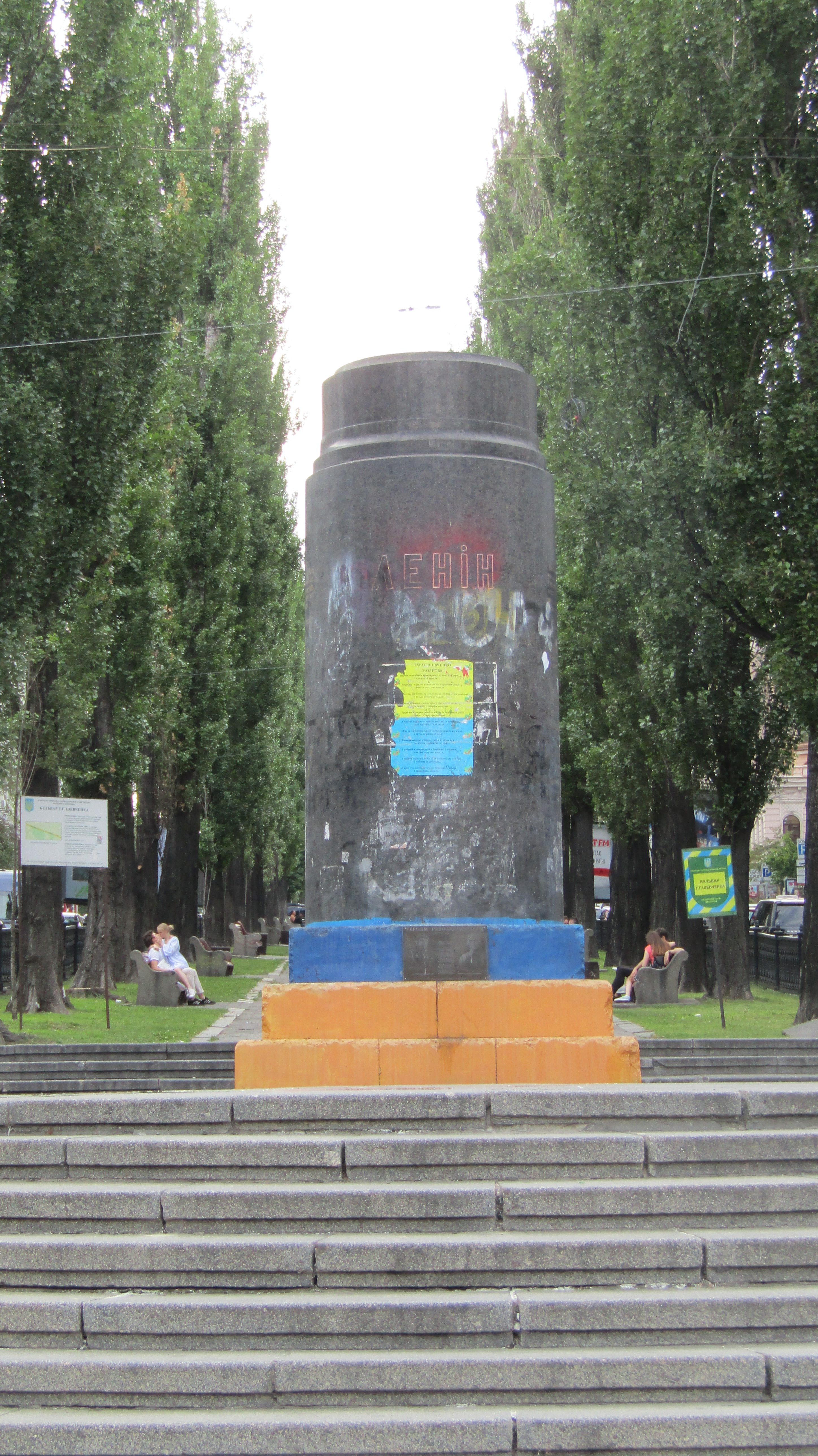
At a romantic local avenue in central Kiev, I started at the former Lenin monument in central Kiev. Itself a symbol of the changes in Ukraine’s political direction in the past number of years. Back in 2014, the supportive of Euromaidan – the main pro-EU protest movement broke through police lines to topple the Lenin statue causing a major local media reaction. Today, all that remains is a base, partially painted in the colours of the Ukrainian flag. Few today would realise that this was the beginning of toppling of similar Lenin statues across the country. The message is clear, it was turned it into a symbol of throwing away Russian influence, even history and embracing the European Union.
Further in 2015, Ukraine enacted several Decommunization laws, allowing authorities to remove all references to communism including statues not already toppled, names of streets and towns and symbols on buildings. There have been doubts on the effectiveness of this, and critics have said that it ‘removes part of Ukraine’s history.’
This Lenin Statue does still remain in the Chernobyl NPP exclusion zone however; 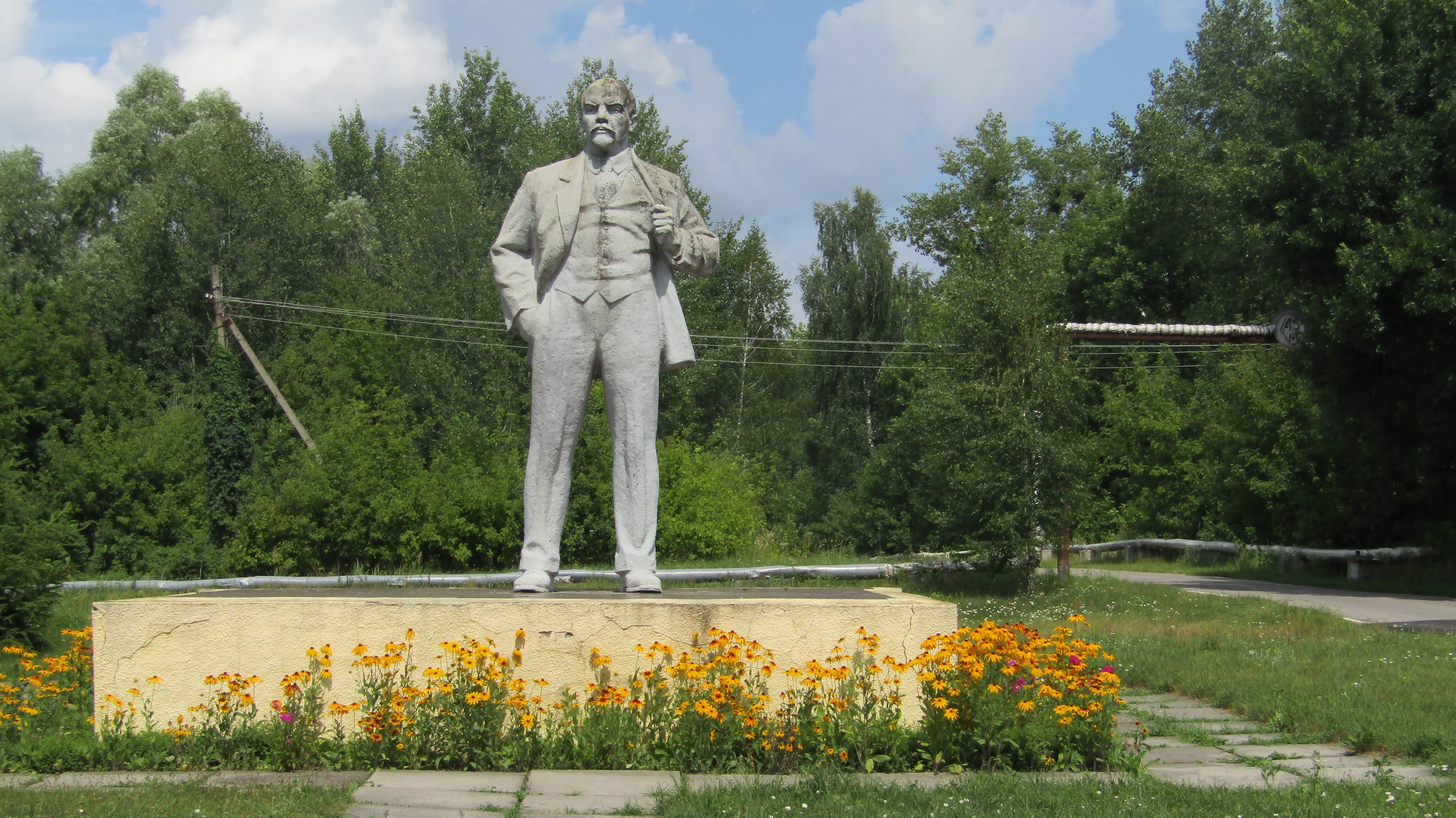
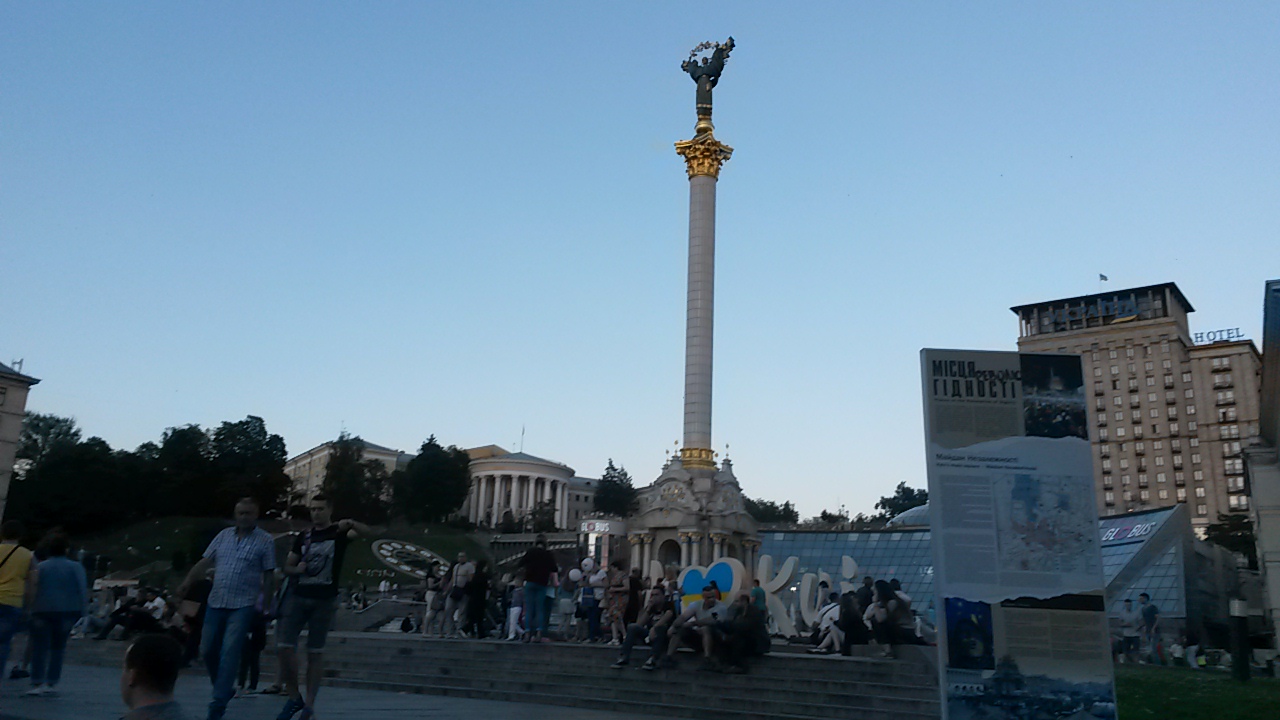
Maidan Nezalezhnosti ‘Independence’ Sq. Kiev
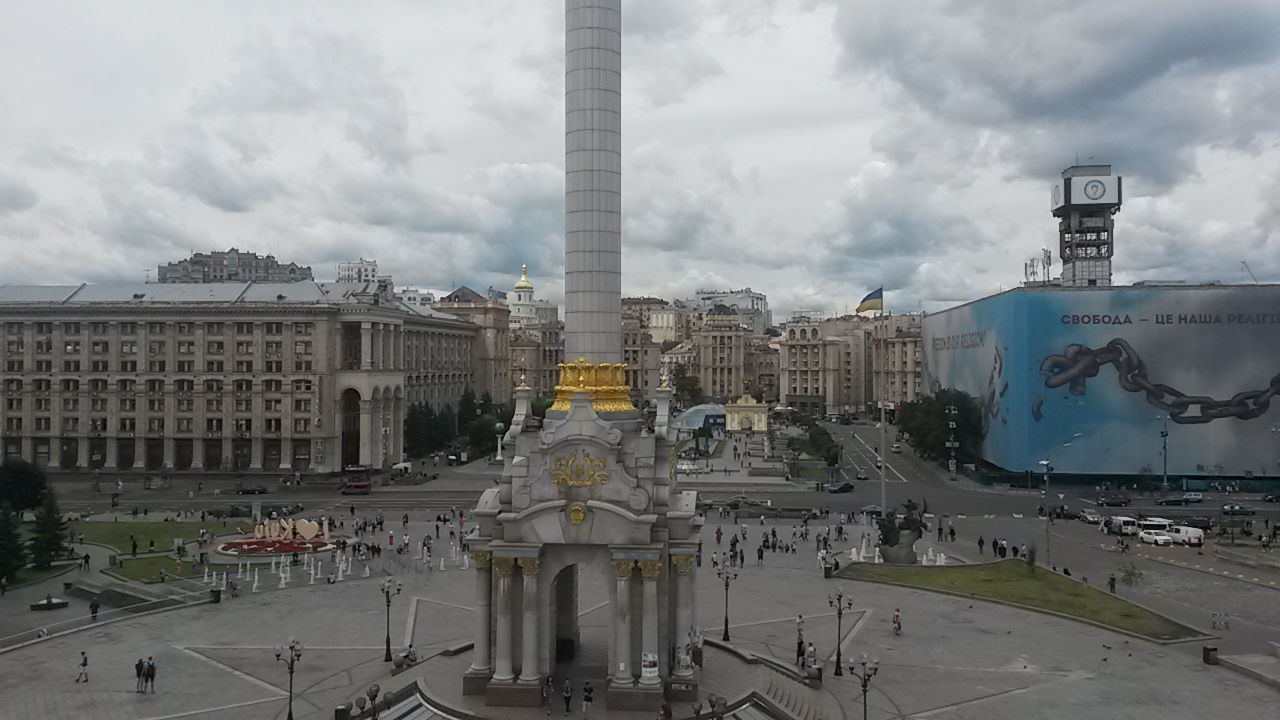
The birthplace where countless Ukrainian revolutions took place, Maidan Nezalezhnosti (Independence Square) is a fascinating place to be.
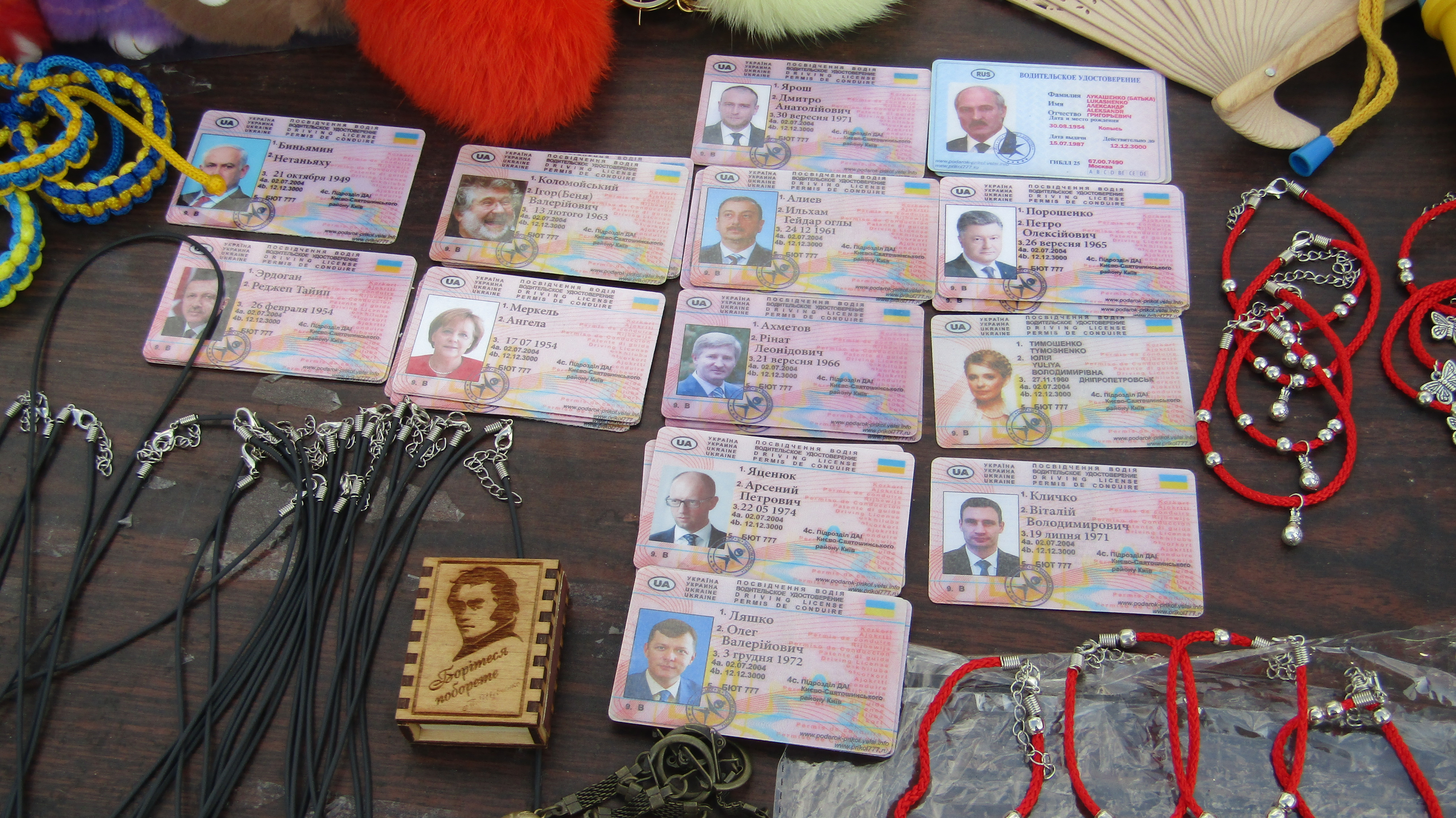
The Square is dominated with Ukrainian memorabilia, flags and social gatherings take place regularly.
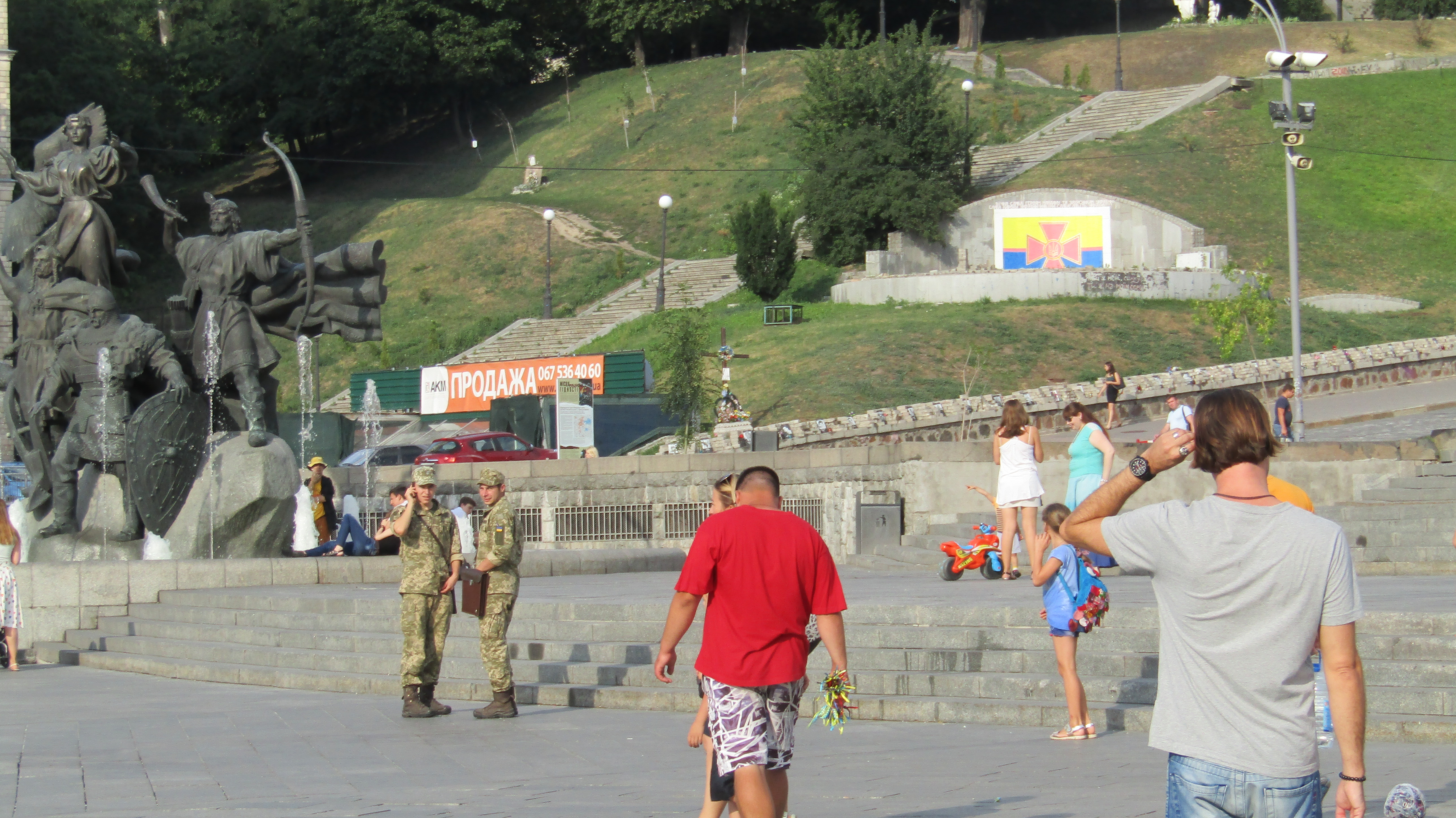
Being at the forefront of the Euromaidan protests, it suffered bad damage both socially and physically, but now that damage has been erased, burned buildings now covered with patriotic slogans ‘Freedom is our Religion’. Soldiers and citizens are together, young people take selfies behind the independence monument, where tires were once burned during the 2014 unrest.
Yanukovych’s Palace
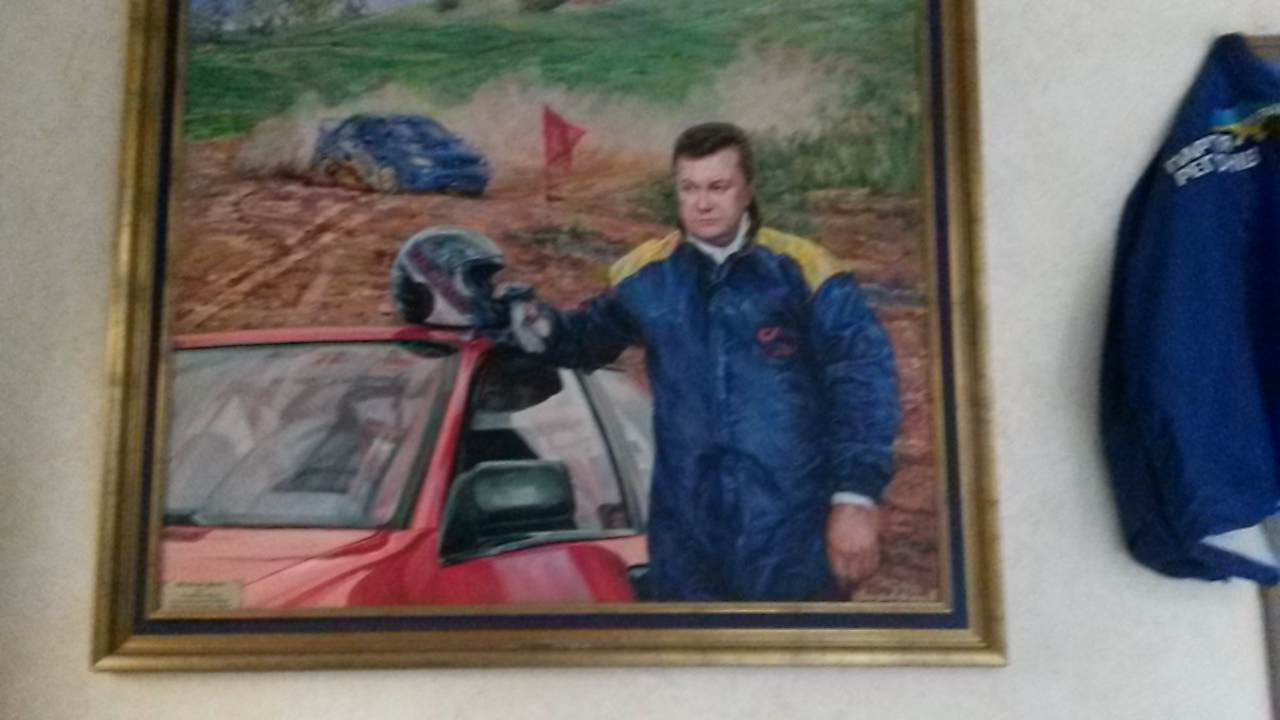
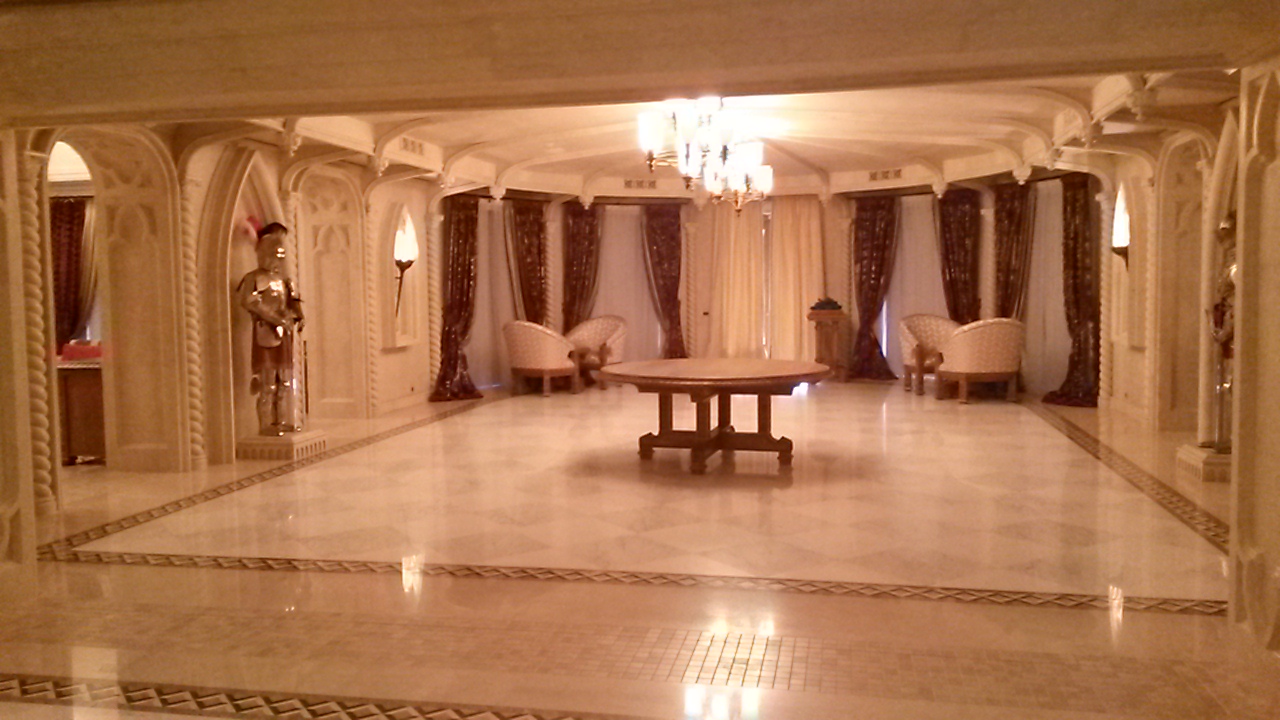
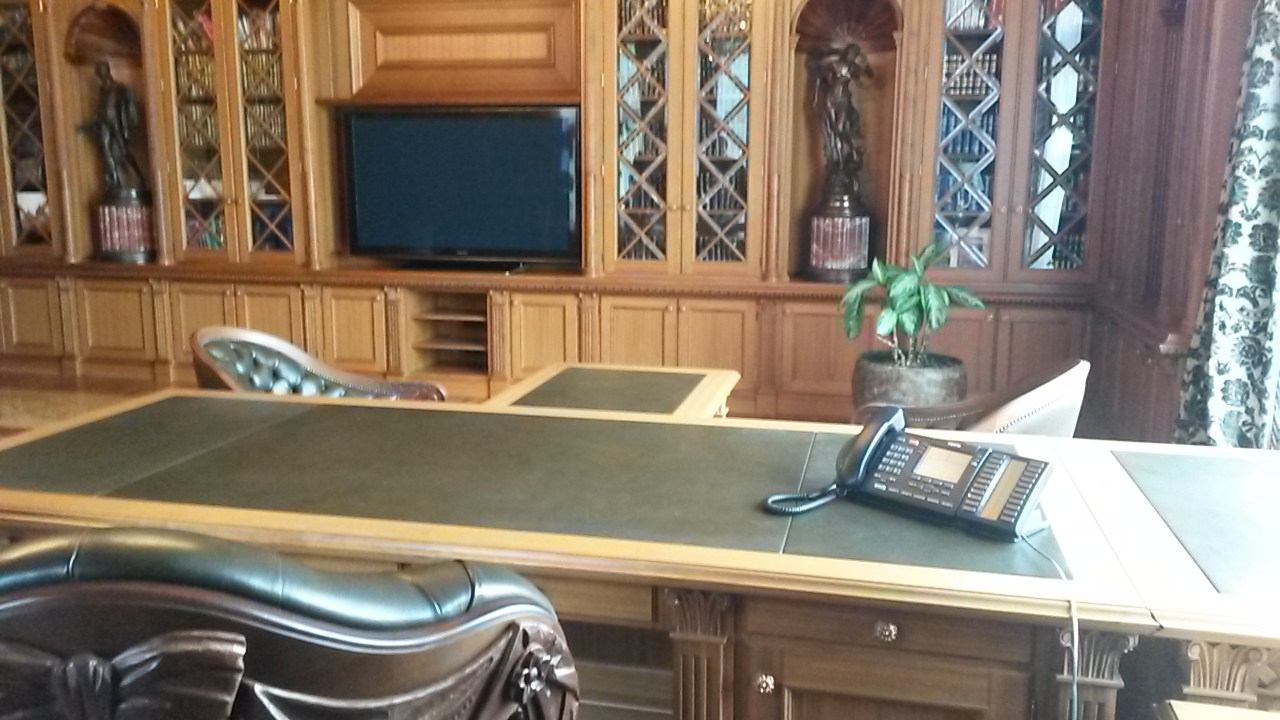
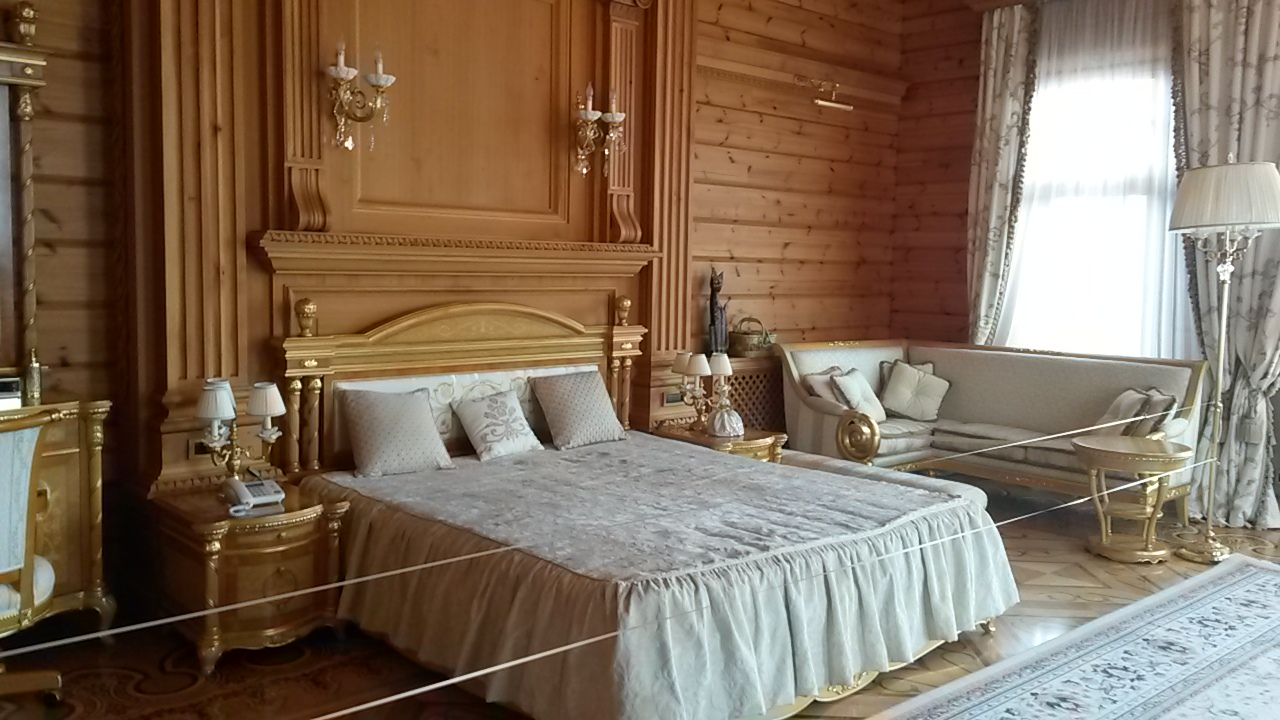
A drive some 20 Km from Kiev, and you’ll find the lavish former palace of President Yanukovych, the Mezhyhirya Residence. A little known destination from outsiders, but it is a true insight into the realisation of the political environment in Ukraine in the past number of years.
As with many governments before, the Yanukovych presidency was considered to be highly corrupt. This history of corruption and lack of political motivation to wipe this out, drew the initial protests in Kiev, that later turned into what was known as Euromaidan, a series of Pro-EU, nationalist protests, that eventually overthrew his government. Back in early 2014, the compound received incredible media attention from outside Ukraine. Many Ukrainians never got the chance to see the results of corruption for their own eyes.
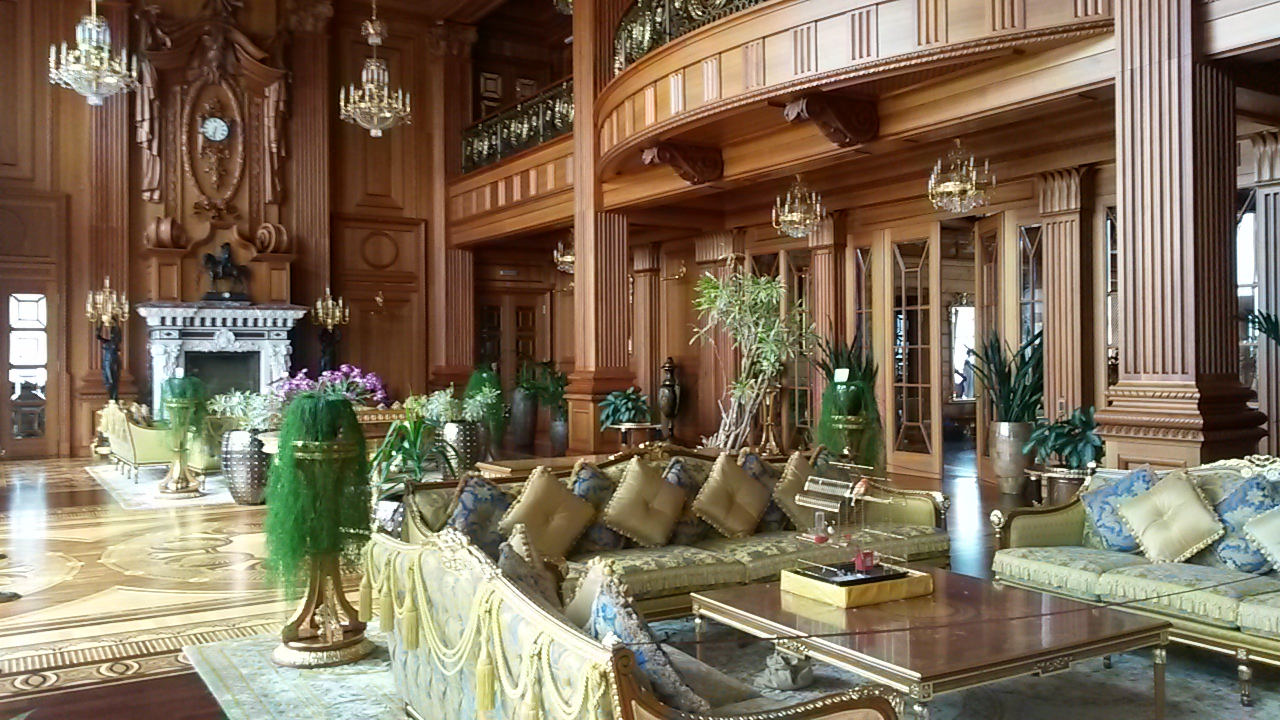
The site is now run by the former protesters themselves and the compound is still maintained. But no one knows for how long it can continue like this.
The lavish palace included a TV in every room, imported luxury cars and health equipment worth millions of Euros which was used by Yanukovych himself. Some expensive art pieces had been looted in the chaos surrounding his departure and security breakdown.
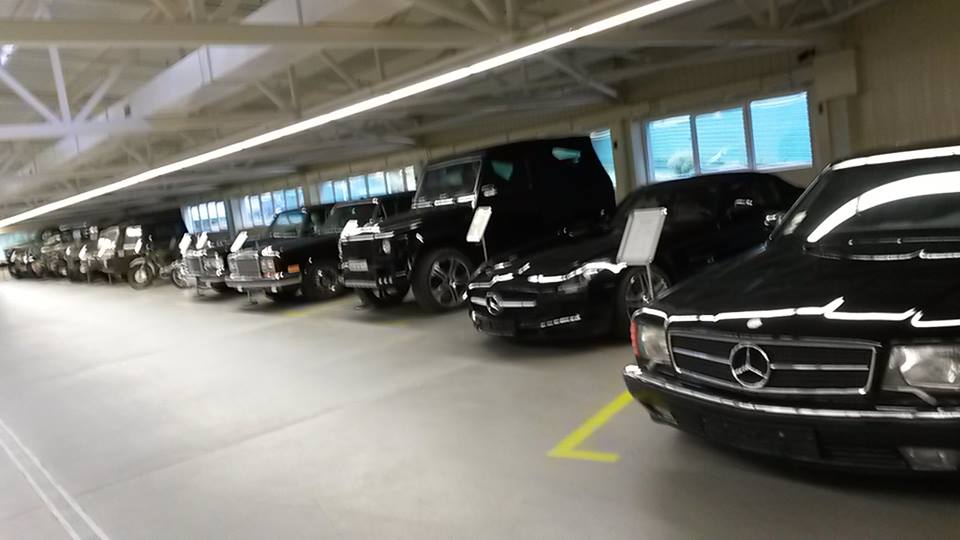
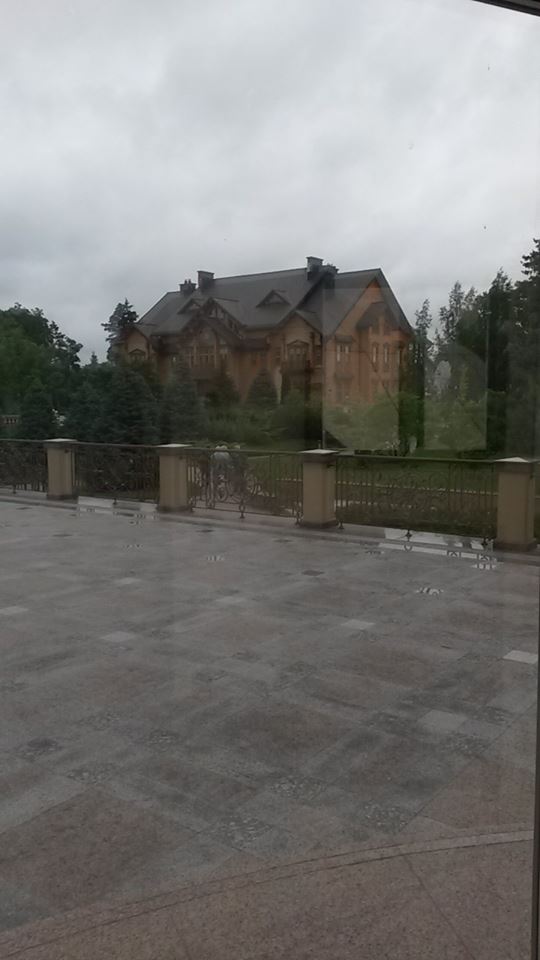
Staring at the doors in which Yanukovych went through to get inside his helicopter to flee further east, as he was now under threat of impeachment. Tourists now take his place.
The Dilemma of Russian Influence
As we approached the little known Arch of Diversity, also known as the ‘People’s Friendship arch of the USSR anniversary’ There was a sense of yearning for an alliance lost. The authorities claim to plan its demolition, but so far, little interest is shown in its symbolism and hence it remains.
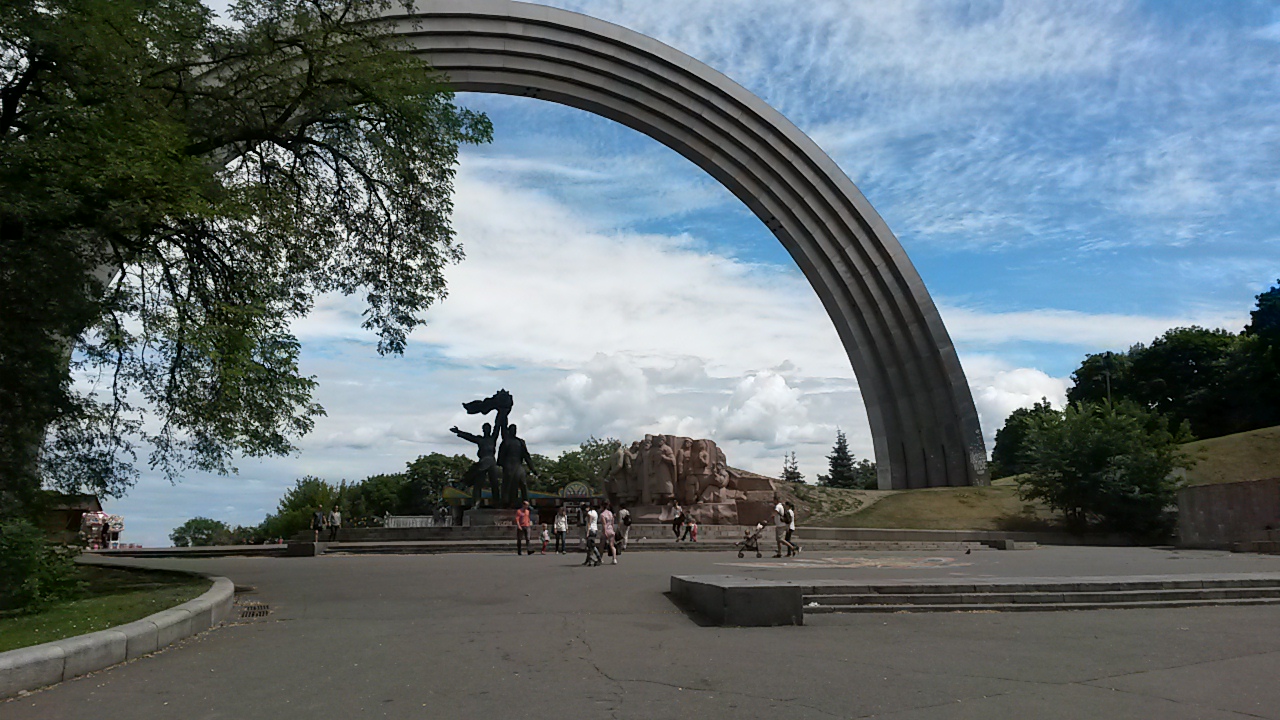 There may be some who do want to maintain a relationship with Russia, but not with its government. ‘He [Putin] is not liked here’ smurked a stall owner. Its clear that whatever side you’re on,.the conflict with Russia has left a huge mark on Ukraine and it’s people.
Another Soviet built monument sits on the banks of the Dinpro river, the now renamed History of Ukraine in the Second World War Museum. The Museum complex itself is heavily decorated in Ukrainian war memorabilia from the conflict in the East. Captured Tanks and captured equipment from the separatists. In Ukraine they are called ‘terrorists’.
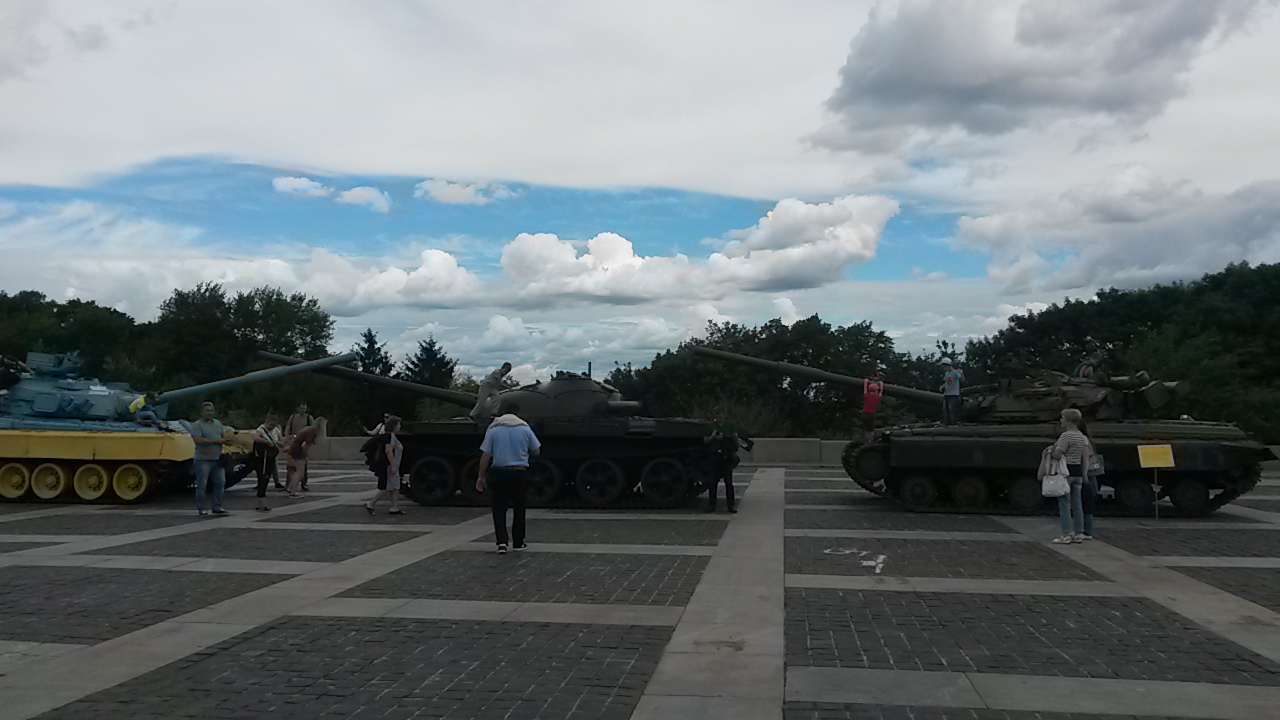
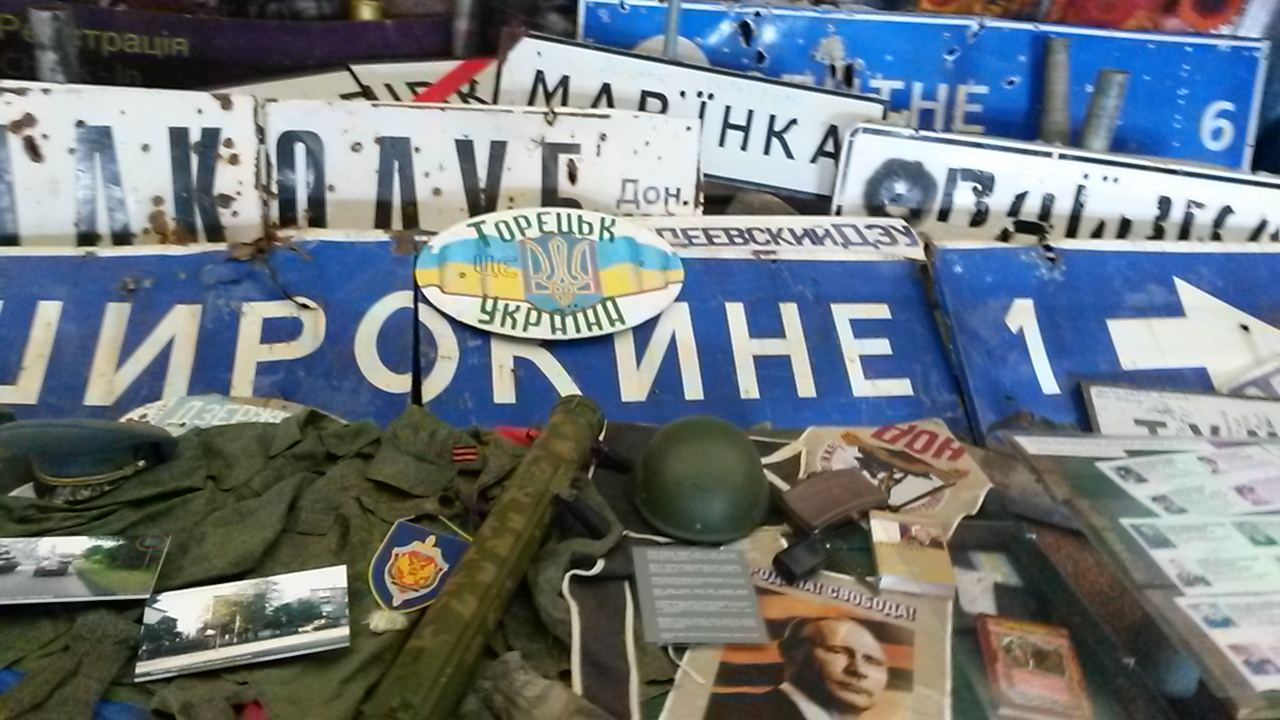
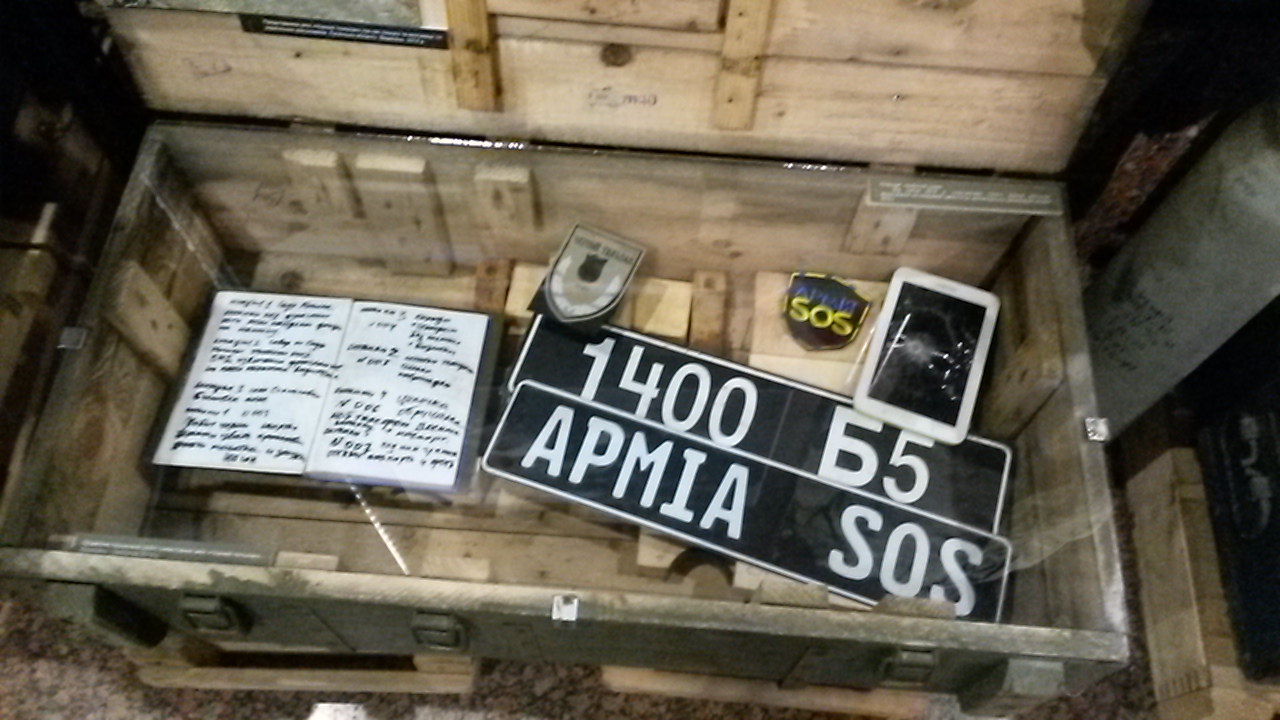
Despite the addition of such exhibits, the Museum has been mostly untouched from the Decommunization laws up until now. The hammer and sickle proudly placed on the shield of the Motherland monument.
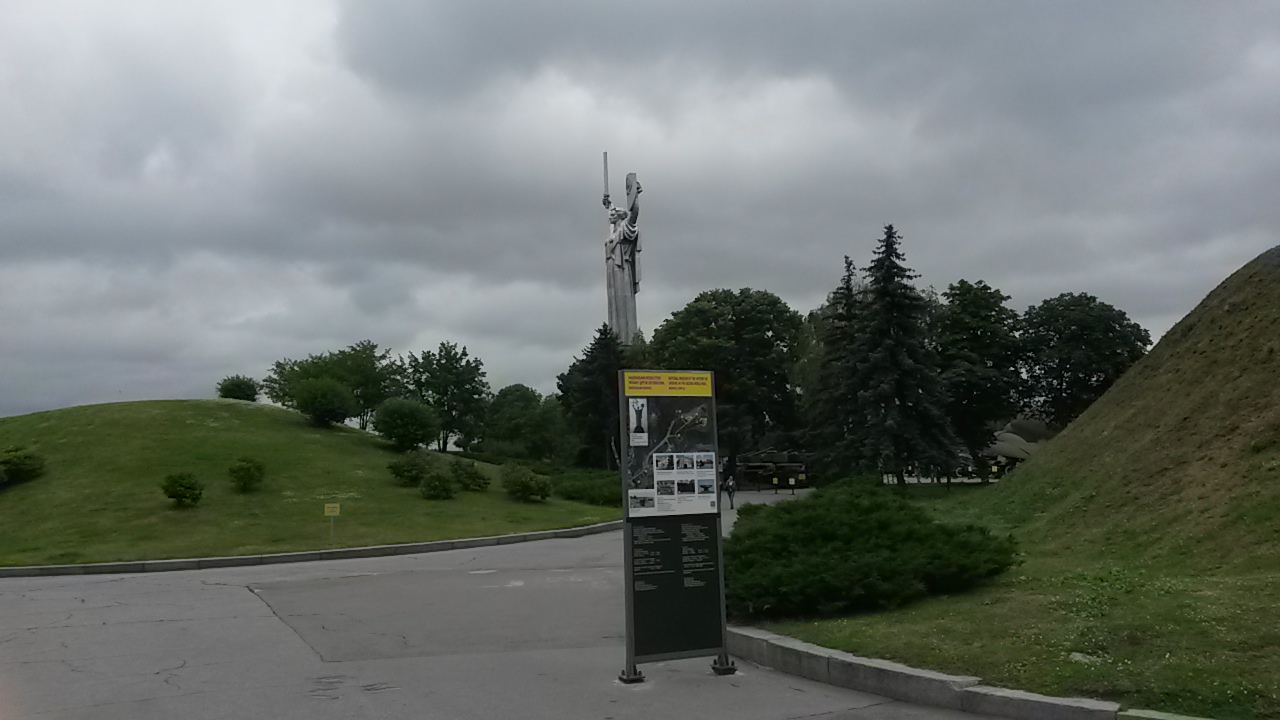
Going up with Motherland Statue in an old Soviet made lift, I reached the observation platform showing a view of the surroundings. In the view, new residential constructions can be seen. Despite the recent economic struggles, there are sprouts of revival in Kiev, where the influx of IDPs from the Donetsk and Lugansk areas has caused a large housing problem.
Because of the IDP influx from the East, the Russian language is now making a comeback in the capital. Despite the government starting to shake off Russian influence, most people in Kiev now speak Russian. This is even true in many western Ukrainian cities, such as Lviv. Using the Russian language can run into some frowns though, I did get some disappointed looks when I tried to show off my Russian!
A Different Kiev
In a busy Georgian restaurant downtown, all politics can be forgotten. Ukrainians and Georgians share a meal together. While leaflets promote tourism between Ukraine and Georgia, shared values and cuisine.
Back on the streets of Kiev, you can feel a small change towards Westernisation and a break with the east. Gone are any references to Russia and the USSR, instead posters encouraging EU membership and the Ukrainian army. A more nationalist tone prevails, with the intent to maintain the changes since the revolution and stand guard of threats to the government.
With the war in the East set to stagnate in the future and with little possibility of EU membership or integration anytime soon. Many Ukrainians still try to see the benefits of trying to overhaul the system. Although there is no doubt that there is still work to do. Crimea is still in Russian hands and a frozen conflict in the east scares away outside interest.
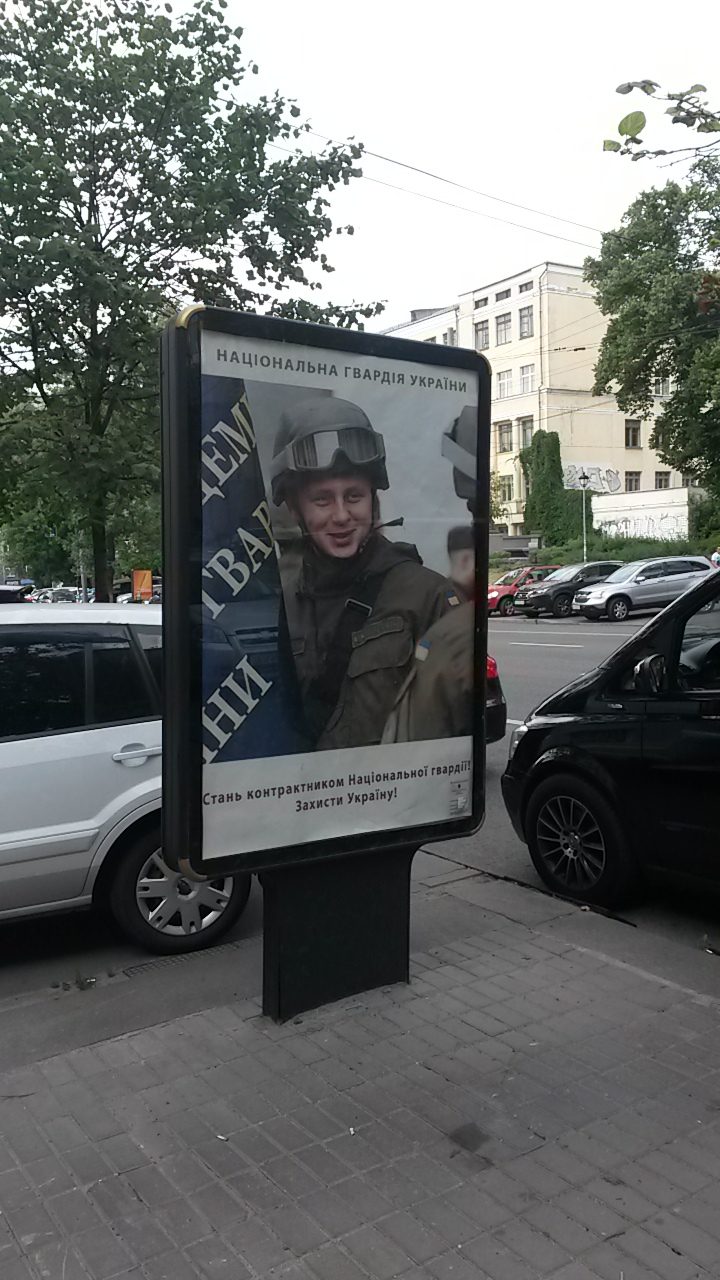
My visit to Kiev, Ukraine points out that there is never one definitive narrative, neither is there one answer or solution. While Russia and the EU vie for political influence, Ukraine will continue to find its national identity.
In all conflicts, the people bear the worst, but a feeling remains that the worst may be over, the main problem now is reconciliation.
Note: All Pictures taken are from my own photography.
I like your writing style truly loving this site.