Here we go. My second visit to Ukraine. Here’s the first
Ukraine is a country not much different from a twilight zone, geographically sitting between two big powers, Russia and the EU.
If you thought that Trump or Brexit were divisive enough, Ukraine will make you jump hoops. It lies on a faultline by not of magnitude, but of politics.
Kyiv, Change In The Air?
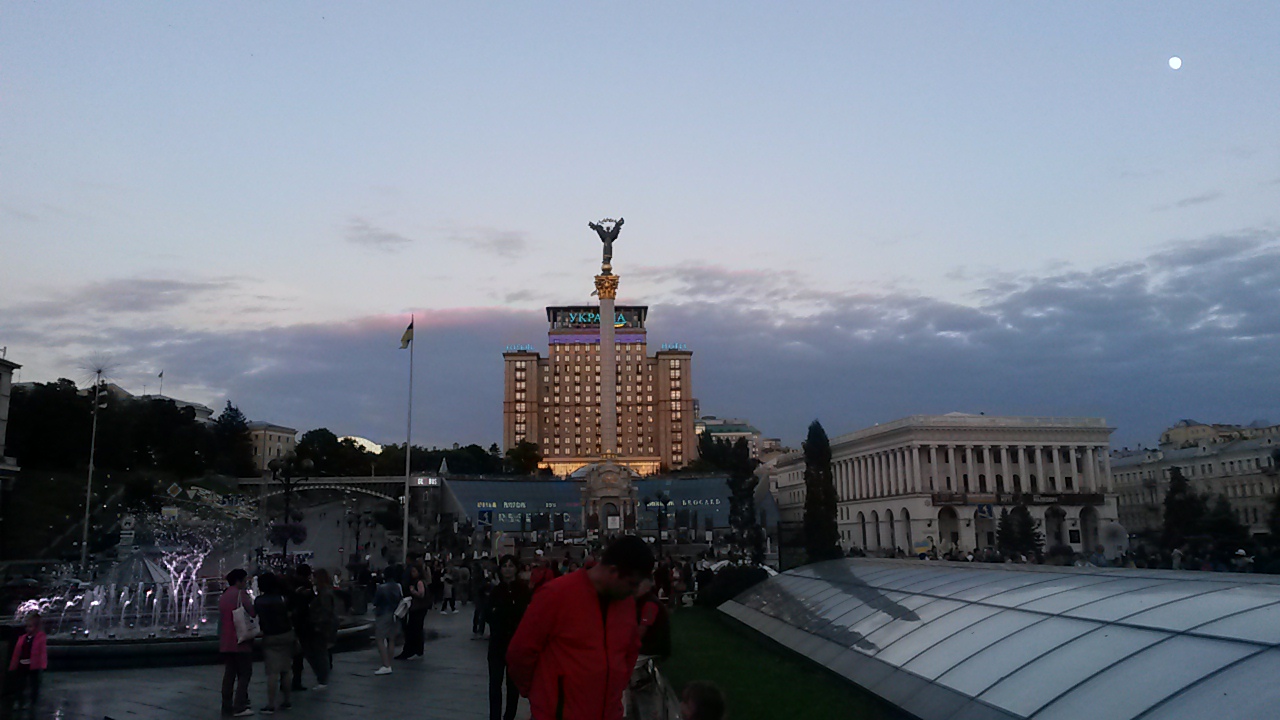
With the night brings the standstill on Khreshchatyk str. performers vocally entertain passers by. There’s plenty of places to be entertained during most nights.
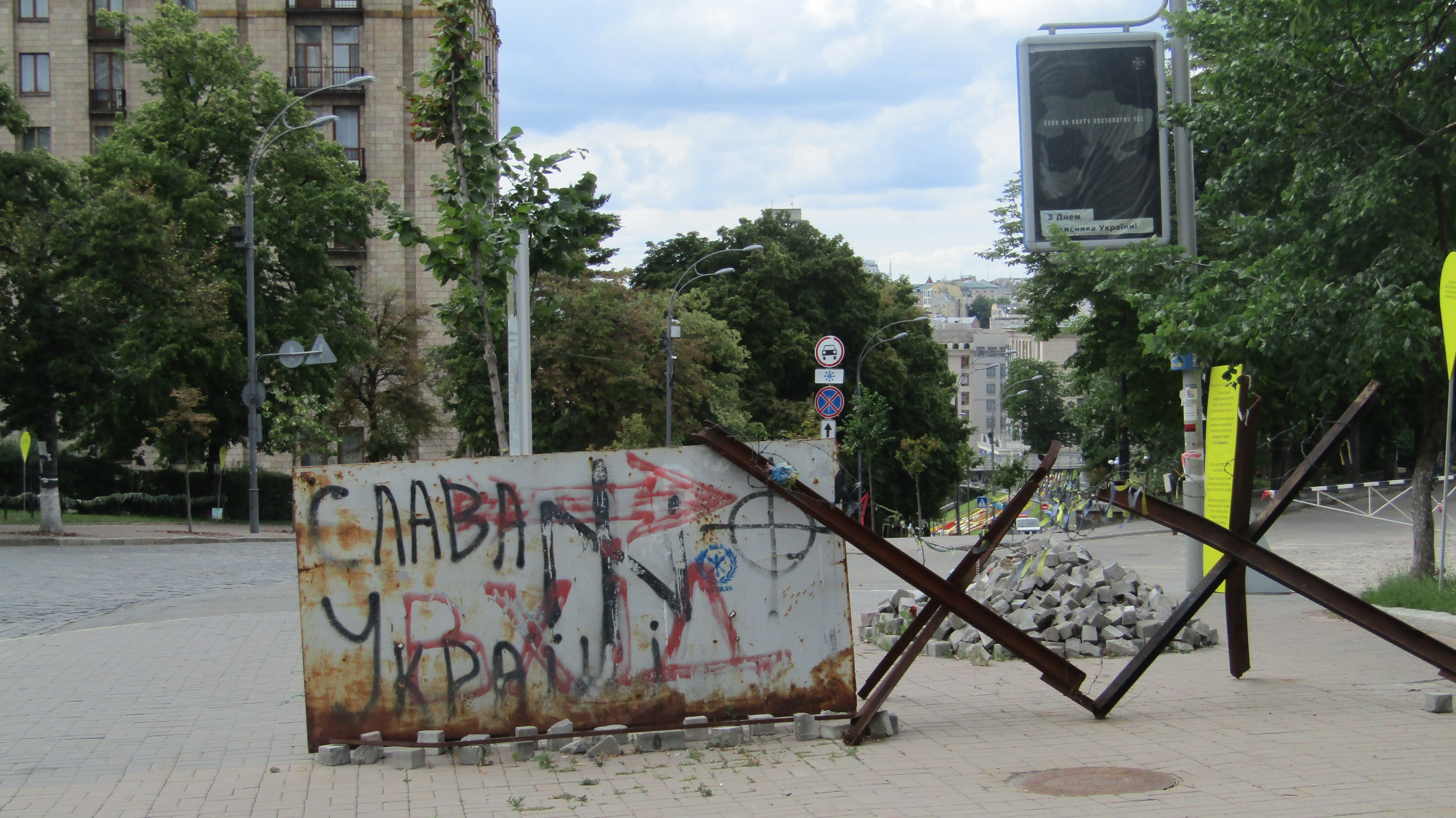
Aside from the expanding nightlife, noticeably there are more plaques and memorials dedicated to the ‘Heavenly Hundred’ – those who lost their lives during the Maidan revolution. Also, many unofficial wooden barricades still adorn the pavements, reminding us that the feeling of revolution is still in the air.
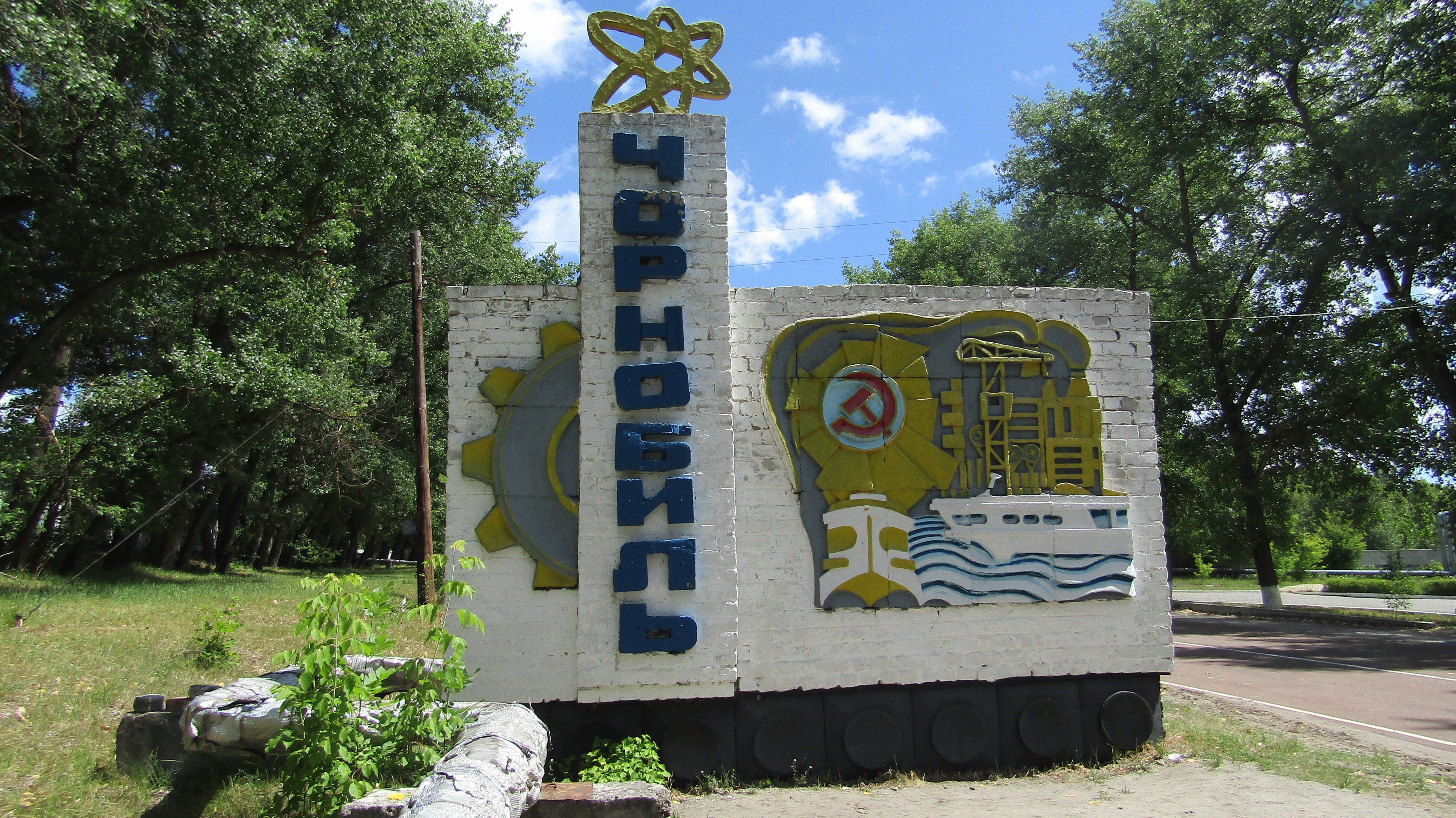
The next day, we set of for Chernobyl Powerplant, more specifically Pripyat city. Time was limited to a few stops, with dozens of tours bumbling up and down from Kiyv each day making tour planning difficult.
Clearly, this once out-of-bounds zone is slowly becoming commercialised, following successive media acknowledgement starting in 2012. However we were told of the lack of such tourist development when entering the two ‘Containment Zones’. We were entering a quarter where time stood still, the ‘Decomunization’ had not laid a hair, Western Civilization started to became no more.
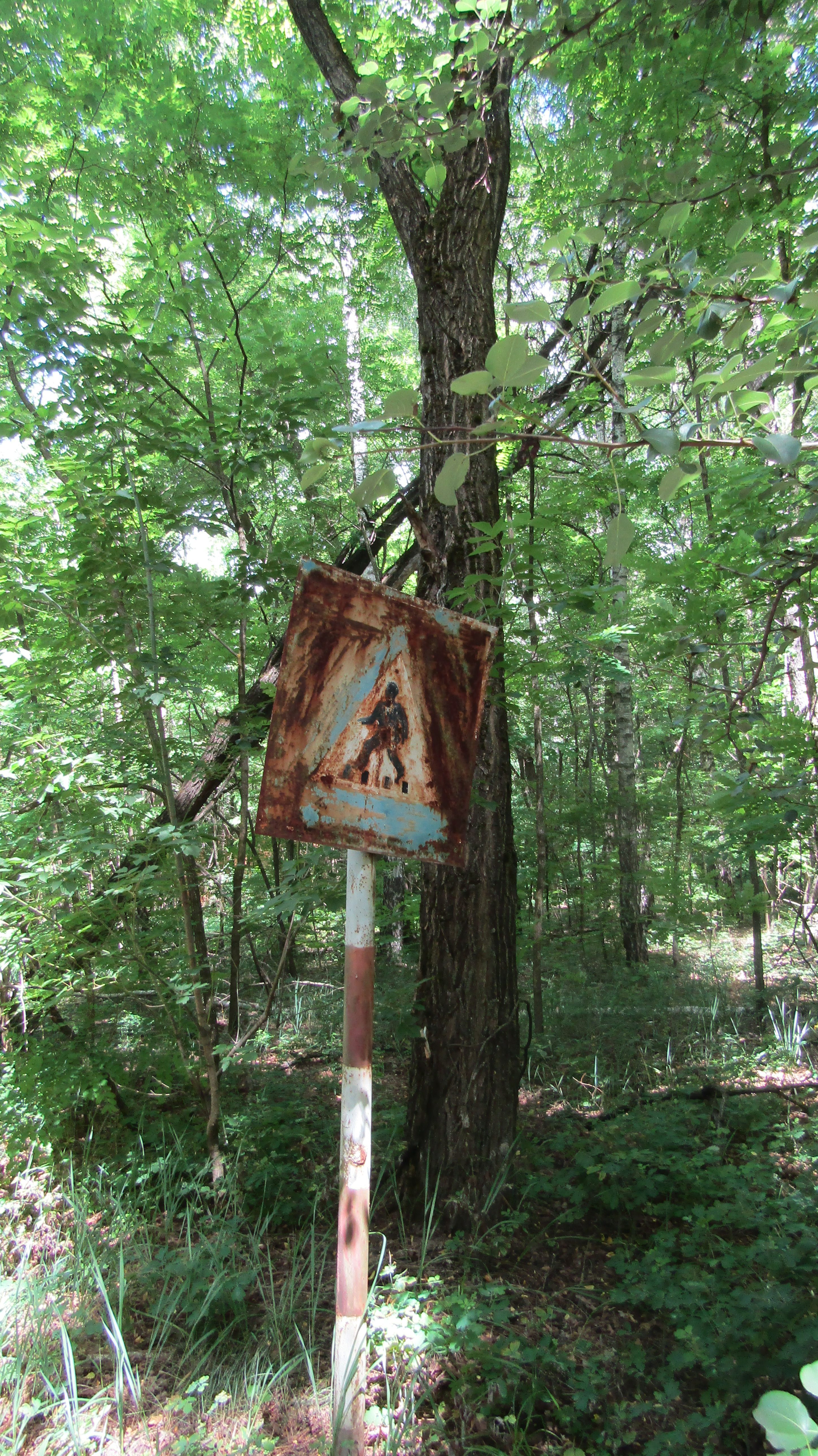
The day when the disaster happened, the 26th April 1986 suddenly didn’t feel that long ago.
This was the time when tens of thousands of ‘Liquidators’ risked their lives to prevent further damage, not thinking about the consequences to themselves. In the Western World, such mentality would be unthinkable on a mass scale.
All Aboard! Kyiv – Odessa
There are many Russian speakers in Ukraine, but you don’t necessarily know this from the seats of Kyiv (Київ). If you travel south to Odessa (Одесса), you’ll find a different story. Welcome to the other Ukraine.
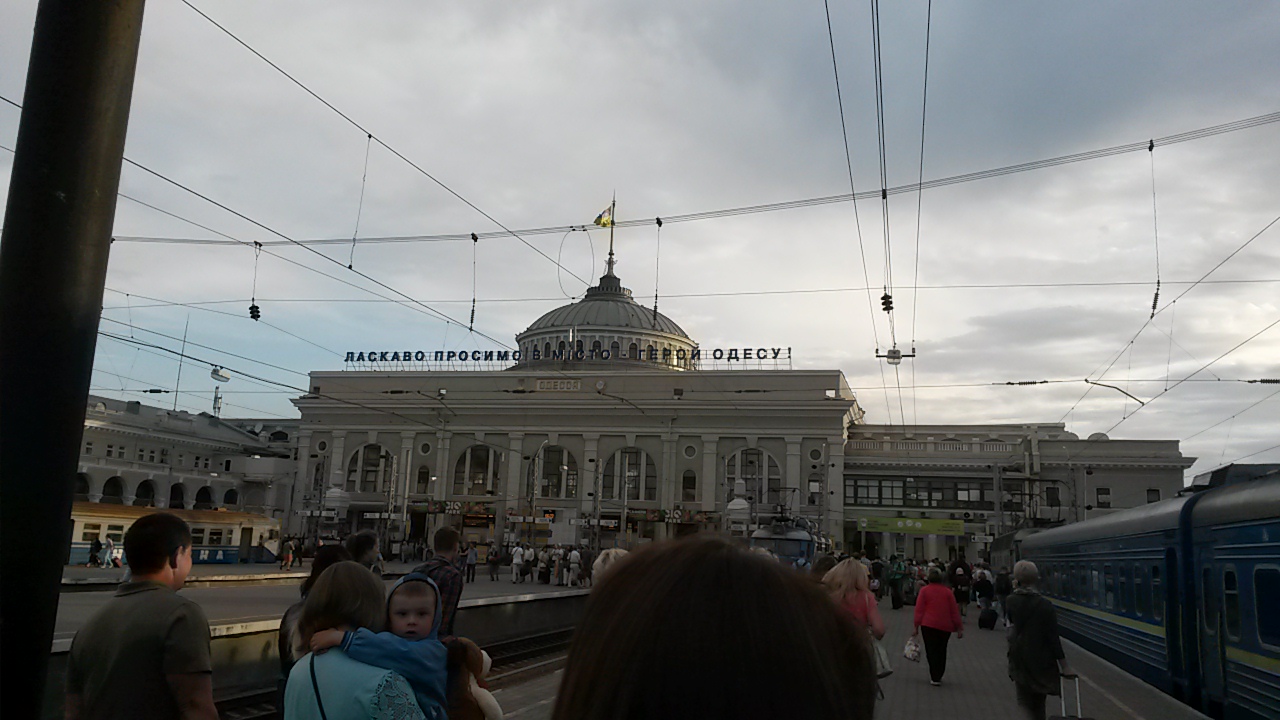
In this southern city, Soviet statues still adorn central squares, the plaques still mount on the train station’s façade, albeit without the famous ‘hammer and sickle’.
The Russian language is a key soft power magnet for Moscow, being used to deepen ties and bring it’s speakers linguistically closer to Russia.
Troubled Waters
The Black Sea has become one of the most strategic water masses in Eurasia, and that makes it especially important for Russia, as it seeks to set up it’s positions in Syria and maintain it’s sphere of influence across the CIS.
The prized Sevastopol Naval base is a key stepping stone and the Russians have clearly braved sanctions to have it back under their ‘de facto control’.
It has also become a further tense area, as NATO v CSTO (i.e. Russia) compete for economic, political and social influence in this far Eastern European realm.
- An Interesting Read – The Geostrategic Importance of the Black Sea Region: A Brief History
A Political Map of the Black Sea (Does not include disputed zones):

From the shores of the Black Sea in Odessa, one could make out naval ships in the distance. With the disputed Crimea not being far away, the Black Sea has been a contensios area for both Ukraine and Russia since 2014, and before then has seen Russian military action against Georgia. Only on the 21st of August, an RAF Typhoon intercepted 2 Su-30 aircraft not far from Odessa.
Furthermore only a few weeks ago, the Ukrainian Military has been testing it’s own anti-ship missile the ‘Neptune’…
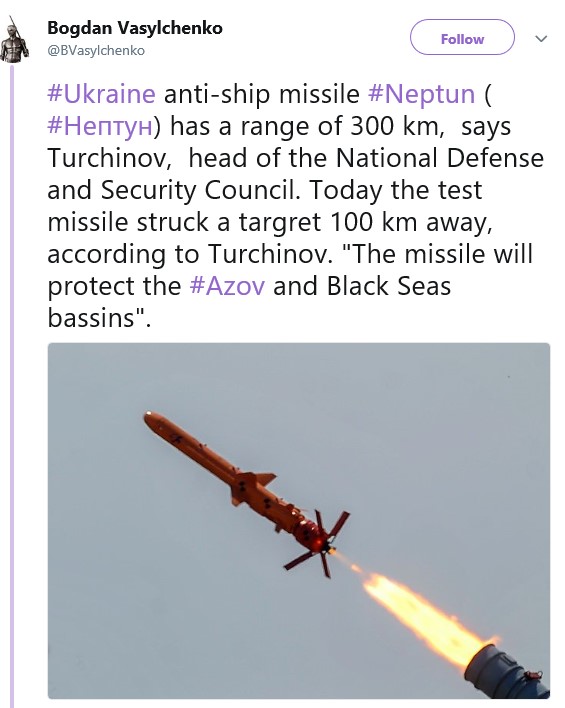
The ‘Neptune’ is capable of ‘ …sinking warships with displacements of up to 5,000 tons… that includes almost all of Russia’s landing ships/frigates in service…’. (Kyiv Post 2018) Even though it is still expected to take a minimum of 3 years to enter mass production and is no match for the larger Russian fleet, let’s take this into map perspective:
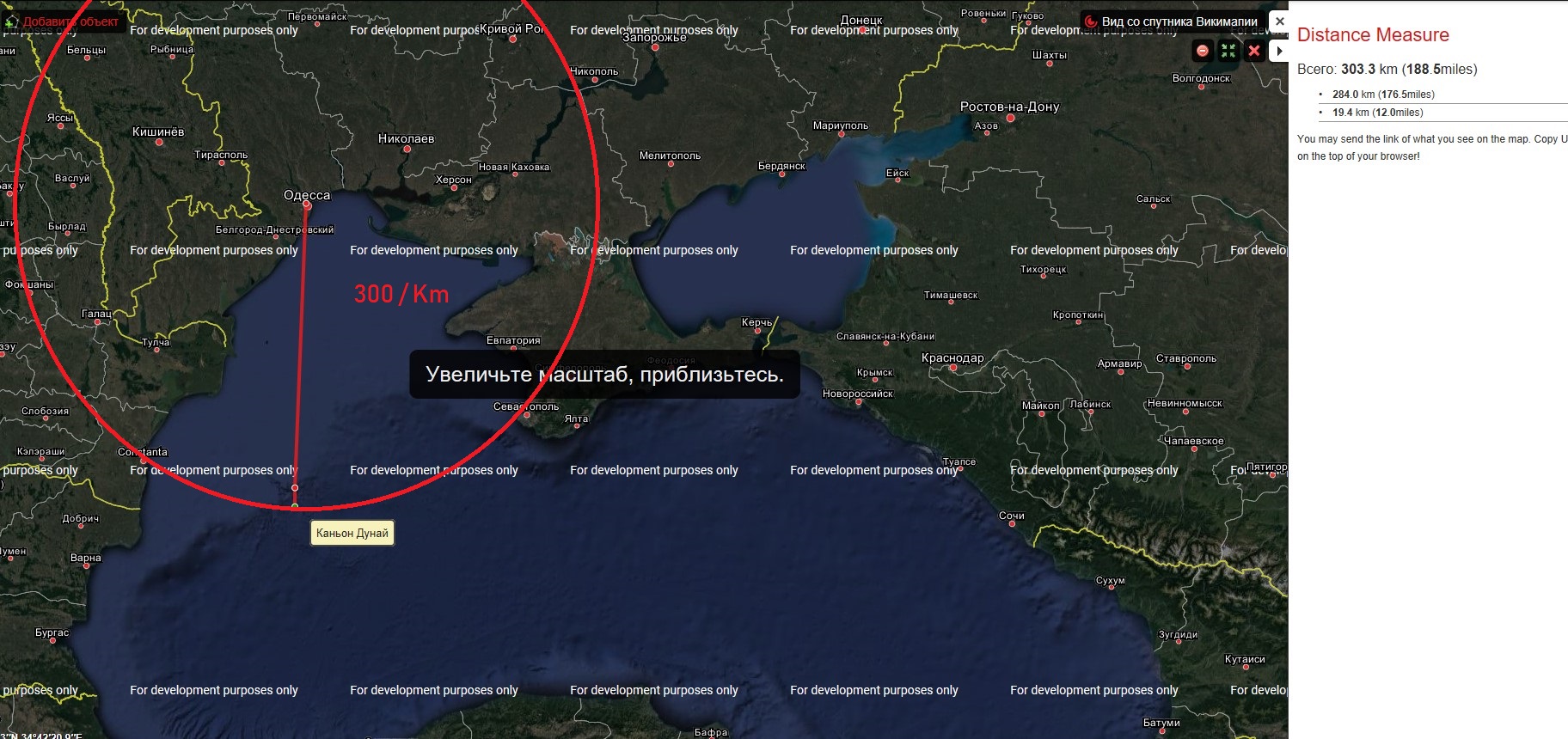 This would allow the Ukrainian military to theoretically target any Russian ship in the Azov Sea (right) and theoretically detect vessels in the peninsula.
These two developments have only happened in the past number of weeks, and even without much reading, it’s likely that the waters around Crimea will become ever more bitter, with Moscow continuing to integrate the Crimea into it’s orbit.
And, with the construction of the Kerch Strait Bridge earlier this year, facilitates even closer transportation links with Moscow.
The risk assessment with regards to asymmetric blow back, is favourable from the Russian point of view. Sevastopol is a major support base for logistics and naval power seeking to support the Al-Assad Syrian government, especially in maintaining it’s valued Lattakia and Hmeymim naval and air bases, that serve as a major deterrent along the Eastern Mediterranean.
Construction Boom
Enough military talk, we’re here to enjoy the majestic beach town of Odessa 🙂
There are no shortage of cranes congregating within a few miles of the beach front. There is clearly a drive to develop the beach resort in the wake of such negative attention from the unrest in the East.
As Russia plays Spain in the World Cup on the big screen a small ensembles. Loud cheers screech out as they upset their opponents on penalties, while fading ‘boos’ come from small segments of the Ukrainian speaking crowd. It has the making of a surreal reality, despite the politics, some still feel close to Russia and many fear that this can be exploited, as Ukrainian continues building a national identity.
There is, unsurprisingly no EU symbolism to be seen in Odessa like in Kyiv. For now as it seems the Russian influence has the upper hand among some.
VIDEO: Privoz Market
Situation Update
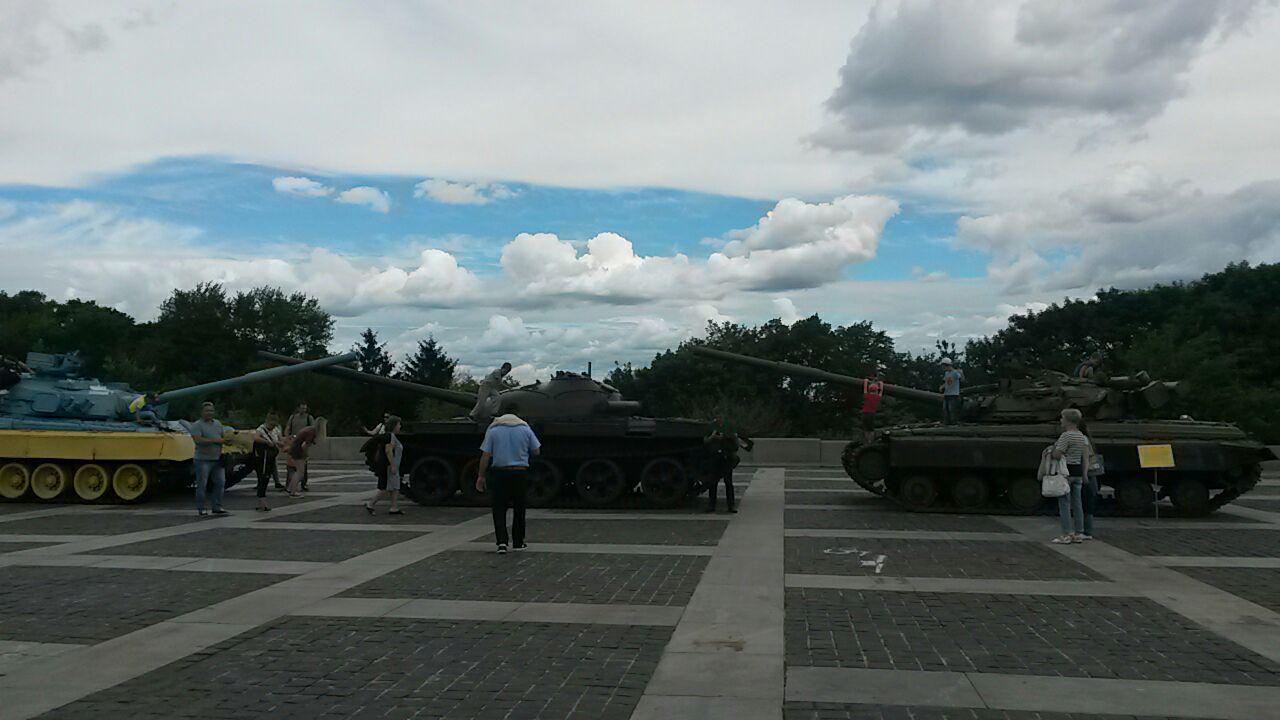
Although there might be the growing stagnation and separation of conflict between pro-Russian forces and Ukraine. However, we should not take the lull in conflict as a sign of disengagement. There is a very volatile situation on both sides.
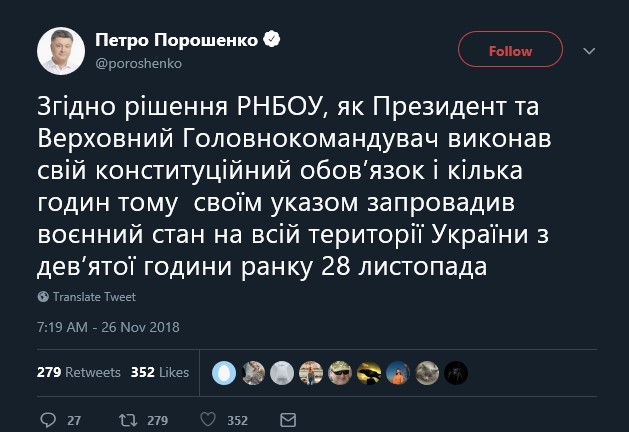
As of late November 2018, the Ukrainian president, Petro Poroshenko has declared marshal law in the country, and has put the armed forces on standby for a potential conflict. With such a tense situation, we should be vary cautious about the upcoming weeks. I mentioned earlier in my article that this has not been the first provocation in the Black sea area, and it is unlikely to be the last.
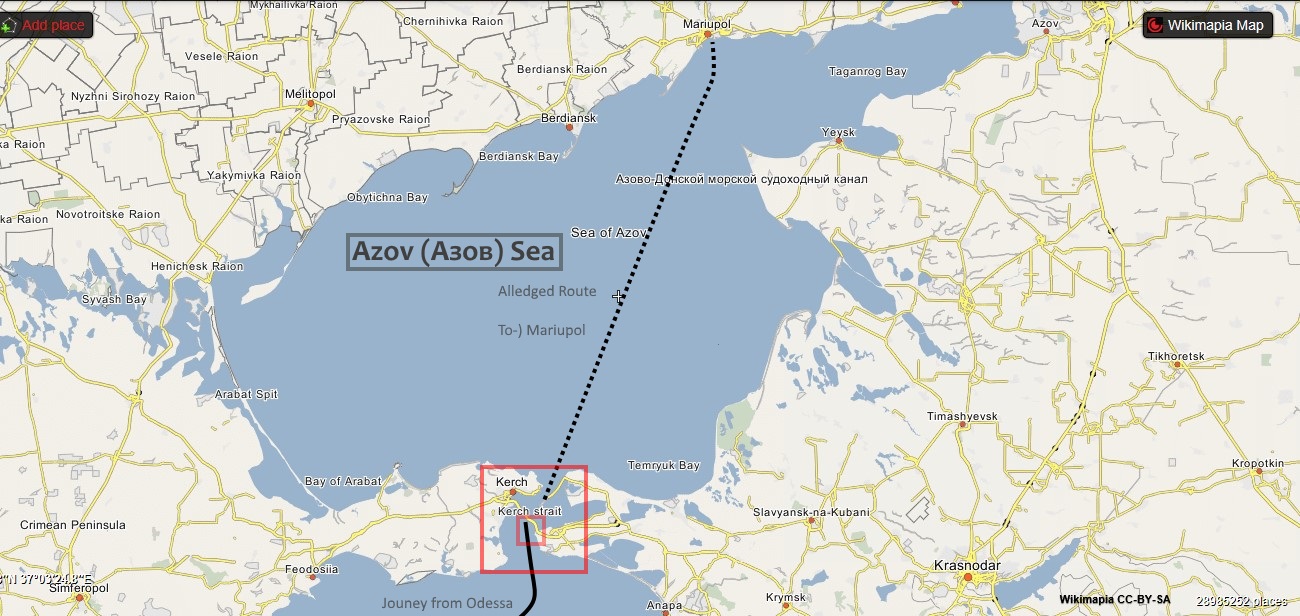
The latest provocation occurred when the Ukrainian military boats attempted to sail through the Kerch Straight through the recently constructed bridge. According to sources, the Russian Federal Security Services had intentions beforehand to strike the boats, using special forces in the meantime. 3 Ukrainian military ships were captured along with the crew, preventing them from reaching their destination (Mariupol).
I used the ‘AIS ship tracker’ on Kerch straight, and as we can see, all civilian traffic has been stopped. The blockade involved oil tankers and tugboats, and took place only meters from the new Kerch Straight Bridge.
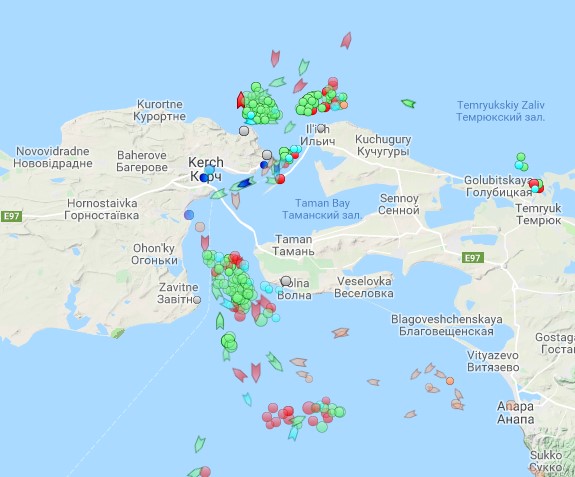
Here is the map of the situation, as we can notice, the military vessels were heading to Mariupol, a port on the frontline with the ‘DNR/LNR’ forces.
The Russian military deployed Ka-52 helicopters to the zone, as well as fighter jets, and there were reports of direct fire between the two sides.