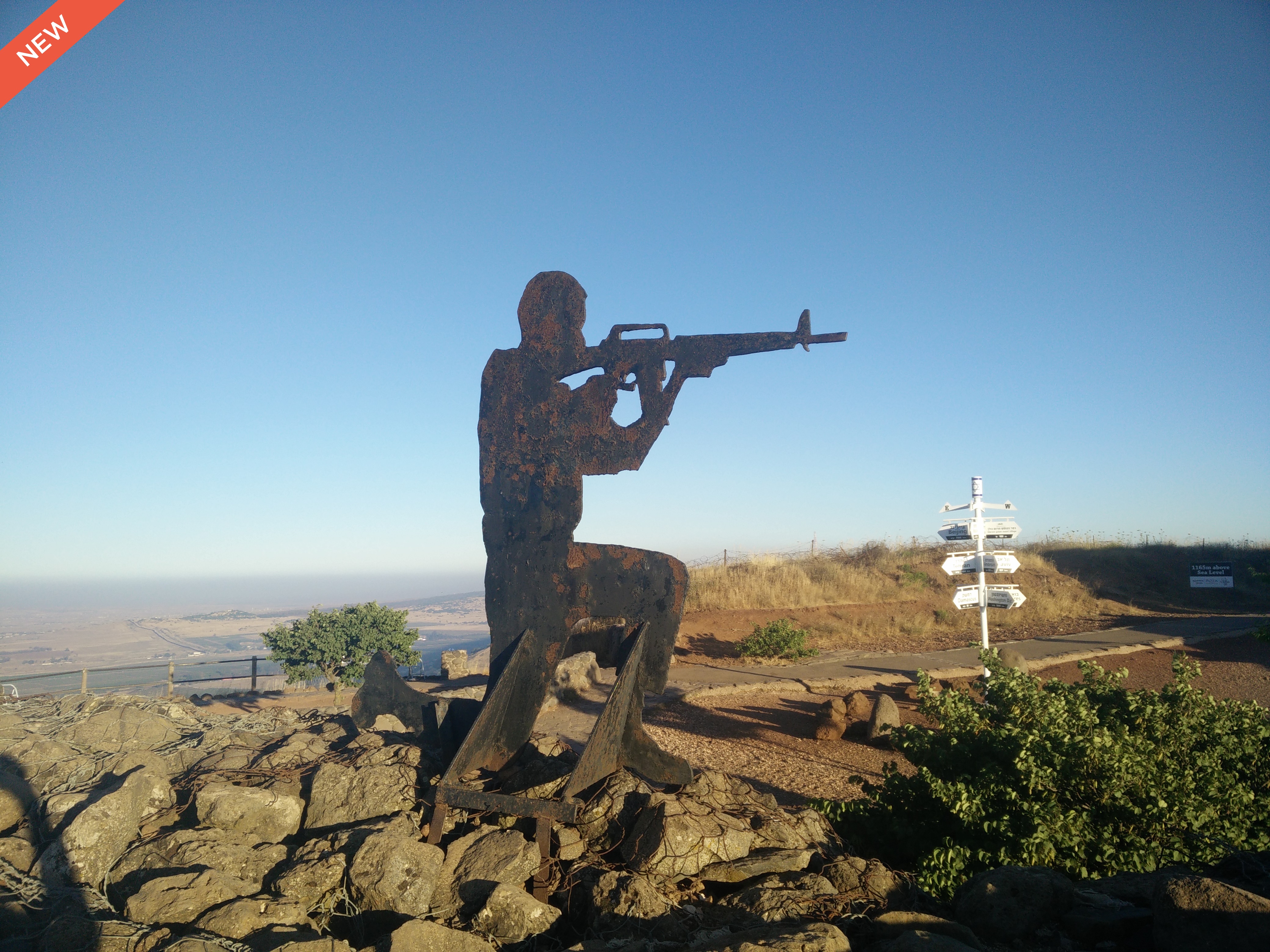
Earlier this summer, I was lucky enough to visit both Israel and the Palestinian territories. My focus bridges from the current Israeli/Palestinian discourse and how mainstream media works in creating sentiment. The multilayered dynamic conflict has played out at different stages through millennia. As well as being the center of attention for billions in the Abrahamic world, the political axis of Jerusalem is still very much contested.
The trip included visits to the cities of Jerusalem (Arabic: القُدس), Ramallah, Tel Aviv and Bethlehem.
From the very beginning, the state of Israel with which the West’s position has almost clearly been defined, and allegedly likened to ‘a shining light in a vast desert’ by European diplomats in the early 20th century, the European, then American concensus on building extensive cultural relations with Israel and especially Zionism have been present ever since the Belfour Declaration in 1917. Successive, often bloody aftermaths which has seen the slow, degrading of trust between the natives and the subsequent Jewish national identity cemented in the modern Israeli state.
Where Europe Meets The Wall
Entering Ramallah, the administrative and defacto nucleus of the state of Palestine, a sense of encroachment, a time running out. From entering East Jerusalem the dividing wall set a defining narrative, a physical barrier of mistrust unseen on maps but very clearly through the eyes of visitors.
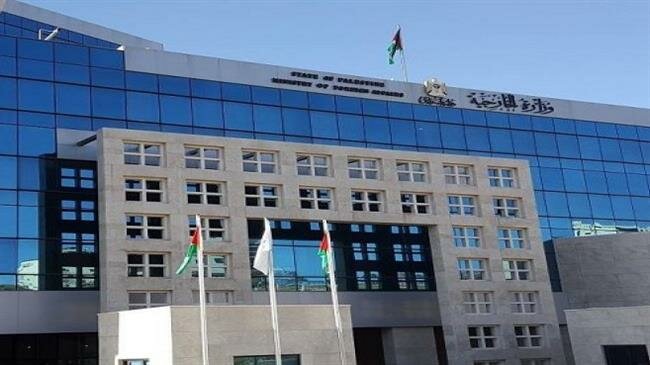
Guards outside, wielding AK-47s and a dysfunctional metal detector greet us on the way in to the Palestinian Ministry of Foreign Affairs. A building built with Chinese funds only a number of years ago.
Meeting Amal Jadou, Deputy Minister on European affairs – who spoke of the importance in maintaining the European Unions’ (EU) diplomatic commitments to Palestine, as well as their efforts at the diffusion of norms in the region. The EU clearly supports a two-state solution, and it’s largely true that in the past number of years, we have seen a pendulum shift in some (not all) EU states supporting a form Palestinian statehood in the UN, widening the difference between them and the United States. With the EU seeking to set out norms in this arena, especially with regards to illegal settlements and other ‘violations’ of property rights of Palestinians. Indeed for the Palestinians, European political bargaining is essential for maintaining leverage in future negotiations. Ramallah knows this very clearly. A future European-led deal may not be an impossible reality.
Further discussing the fundamental importance of European normative power in protecting the Palestinian cause, whereby abating Israeli settlement policy in East Jerusalem. The European normative agency is further largely spearheaded by ‘human rights’ provisions, using diplomatic consensus by speaking out against Israeli annexation of East Jerusalem, asking whether it is ‘legitimate’ for a mutual partner to occupy the land of Palestine. The Palestinians bank on these norms that the EU can ‘export’ or perhaps help channel discourse in the West in order to pressure Israel externally.
Nevertheless, despite the use of such diplomatic maneuvering, the EU’s economic component of pressure known as ‘carrot and stick’ can only go so far. Any Israeli wielding to EU pressure would likely anger the ruling Netanyahu regime’s main support base, West Bank settlers. Europe’s soft power in the region is unlikely to prove utilising for a stagnating regional praxis. Norms diffused by the EU on rule of law can only be diffused when Europe’s political agency is called upon, the relies on interdependence to diffuse these norms. It’s also likely that the Palestinian Authority (PA) are more exposed to these norms, whereas Israel, more reliant on Economic relations is more cautious when it’s Jewish identity is at threat.
Some argue quite rightly, there is too much idealism within the PA, yet without the necessary developments, we will likely see further conflict. Soft power and norms can only travel so far.
Yet, there was an atmosphere of skepticism, there was some doubt whether the EU can pick up the mantle unilaterally. The esteemed diplomat essentially ruled out American meditation because of their stance on recognising Jerusalem as Israel’s ‘undivided capital’ and their cessation of support for UNRWA – a UN agency that provides humanitarian relief for Palestinians. There is no doubt that any stagnation of Palestine’s economy will further destabilise the events on the ground.
‘Shrinking Land’
Jadou amplified the chorus of rejection of the ‘Deal of the Century'[1] within the West Bank and Gaza – The Trump-endorsed peace plan which includes a so called ‘economic stimulation’, laissez faire economic policies meant to cut poverty by 50% into the Palestinian territories, the creation of a Gaza-West Bank road & rail corridor among many other overly ambitious proposals. Yet – it is likely to whitewash the Palestinian quest for a state based on any historical terms. A simplified essence making it a trade off between the national identity aspirations held for decades, and accepting an American-led economic destination with no guarantees of meaningful statehood. For the Palestinians this ‘deal’ is essentially economically baiting a state with far fewer options on the table. On paper the projects sound fruitful, yet by ignoring on-the-ground implications, the deal is essentially doomed to the graveyard of failure.
Even if a very few number of technocrats and business associates in Ramallah were to accept the plan drawn up in Manama, the political blowback would be too risky domestically. Hamas’ scorn of the plan would bring it’s support base straight into the West Bank, essentially bringing Fatah to it’s knees – It’s past leaders themselves maintained themselves that a revolutionary approach to statehood needs not be underscored in such a manner.
The choked and suffocating pastures in the distance point to another issue ahead. That being the slow agricultural development in Palestine. 8% of the workforce being employed in such fields, yet a modernisation of farming alone is not going to result in sustainability and development of the Palestinian territories. In the current political climate land swapping is unlikely to be addressed on a large scale, and the intent to address this issue in the political proponent of the peach plan would not be welcomed by Israel, leaving a lack of land hindering development.
Arguably, by increasing Israel’s power projection in the Gulf, maintaining economic superiority – Isreal will continue to hold most of the political cards in any further agreement with Palestine. Rich, Arab Gulf states generally have few economic or social interests in the Palestine territories at present, the revolutionary radical anti-Israeli sentiment left those very Saudi political elites a long time ago. Now, additionally many Western thinktanks are starting to question the construction of a ‘two-state solution’, alternatively thinking that Israel will triumph is a self fulfilling prophecy.
Gaza
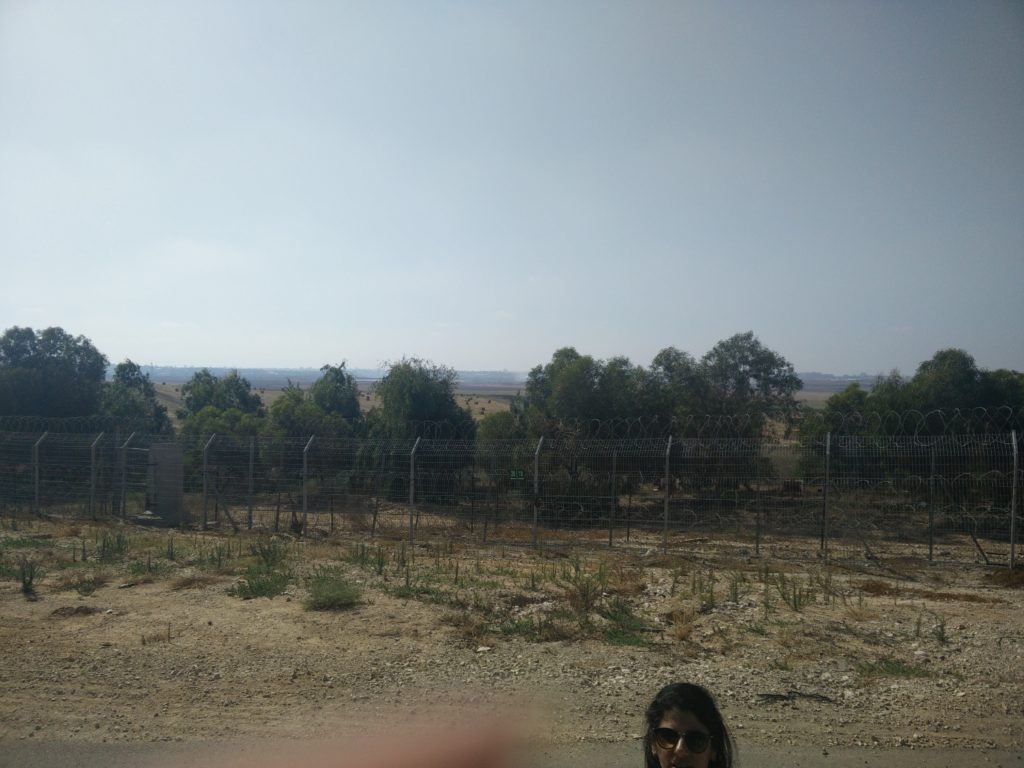
Peeking over the Gaza border, one could smell, hear the energy of ‘The Great March of Return’ from just over the border. Yet not one could see it, that very sense of we cannot see ‘them’ touches a literate nerve. ‘Them’ behind the smoke cannot be talked to, ‘resonated with’ by ‘us’. The disconnect between us and them creates the very same biases and narratives that plague mainstream media to it’s core. That same anger fueled by the historical exodous of Palestinians from places such as Old Jaffa in 1948 (pictured above) generally reffered to as the Nakhbah ( يوم النكبة) by the Palestinian side.
Policymakers see the paradigm as a with the porus web of international actors involved in keeping Gaza afloat. Israel has paradoxically always favoured stability within it’s enemies, the alternative – anarchy would be more dangerous for Israel when keeping tabs on it’s rivals. That quiet tense is devoid of any long solution, yet it keeps away rouge non-state actors, and maintains an institutionalised ‘status quo’.
‘Status Quo’
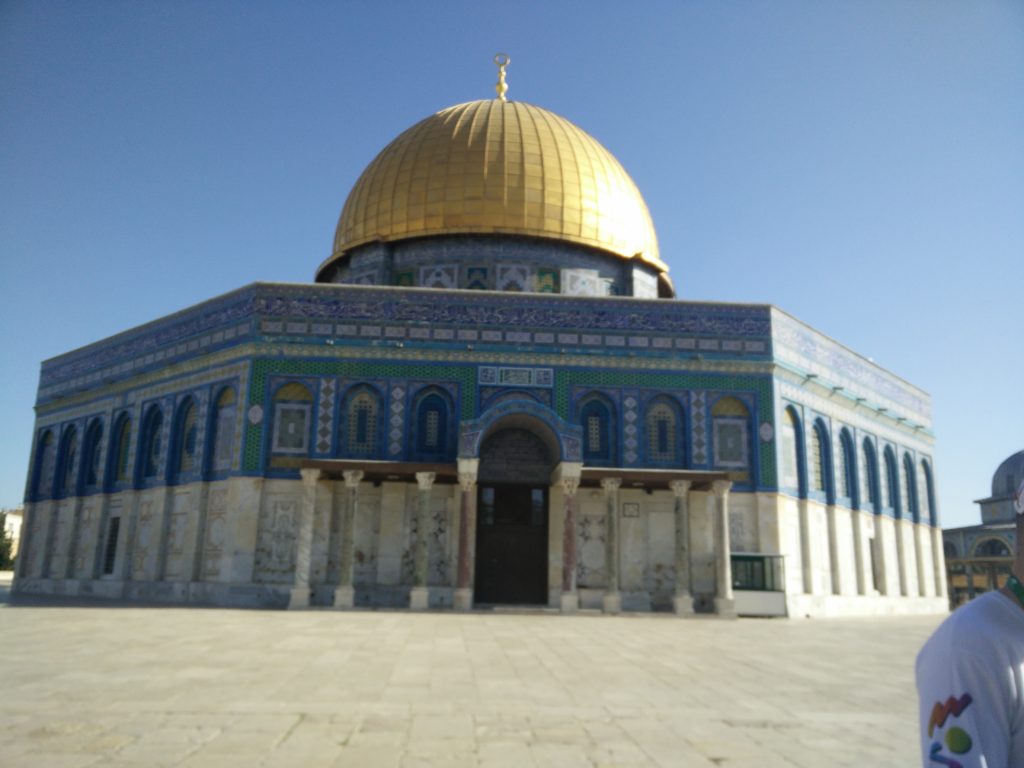
As we ascended into the Al Aqsa complex, a tense status quo. The air of silence enforced by the strict entry times for non-Muslims shows how religiously flamed Jerusalem is, so sensitive that one misplaced political gaffe, one violent incident or law can have serious a serious ramification on stability.
Being the third most important sacred area for Muslims, the Dome on the Rock is a testament to its time. As is the wailing wall, only a few meters from East Jerusalem, oddly peaceful.
The ‘status quo’, rejection of radical solutions, arguably benefits Netenyahu’s narrative.
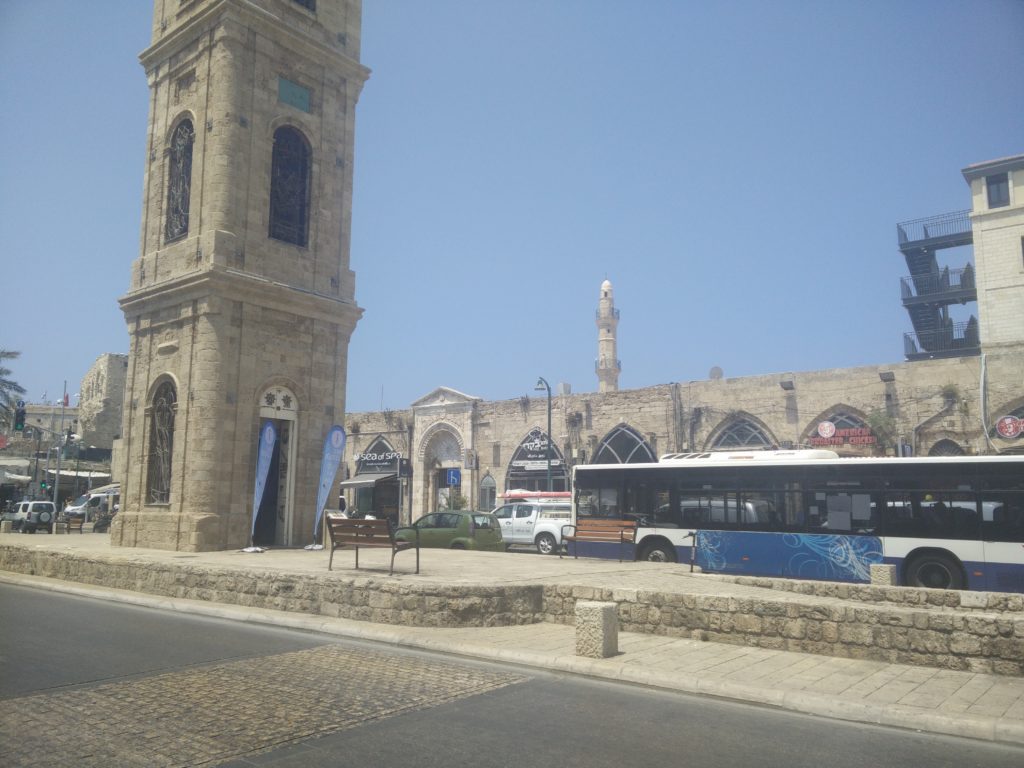
Beneath the surface one can argue that sense of ‘enlightenment’ , often used in media when demonising the native, Now stretching to Tel Aviv -into the wider Israeli periphery. The LGBT flags, adorning the streets of Tel Aviv now appear in Jaffa. The flea market, still maintains it’s local essence but is never far away from the crumbling façade of the old city, which is undergoing it’s own controversial development.
‘A New Palestine’
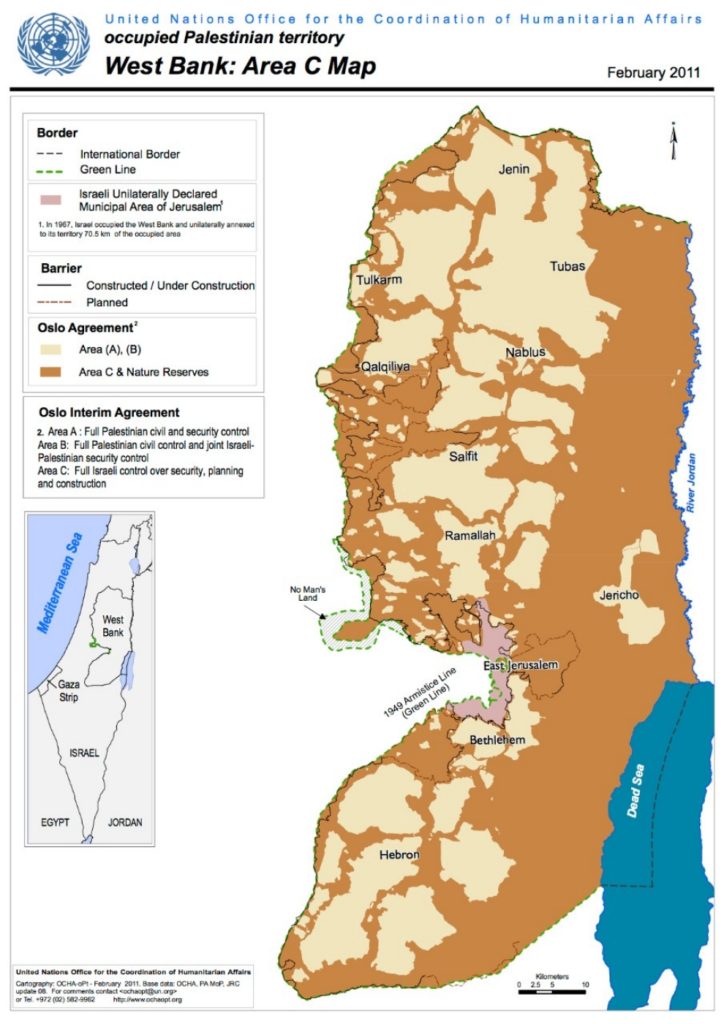
Under the hood, a small underground movement – ‘Roots’ set up in Area C in their mid-sized shack, and not far from Ariel, an Israeli settlement , attempts blissfully to get people on both sides talking. Representing an attempt to bring back human instincts of interaction from the ground up, they sounded calmly neutral in wanting to attract attention from the political elites on either side. Paradoxically, they aim for the other way, a resolute, calm atmosphere for people to ‘build bridges’.
This bottom up interaction would be crucial for any long term meaningful peace. These interactions, paradoxically may very well be jeopardised by the same ‘peace plans’ built up from the Oslo Accords. Be it the ‘restricted zones’ and the openly discriminating security negotiations against Palestinians dared enough to cross into the occupier.
The problem however remains, Israel would undoubtedly have to yield it’s Jewish identity, an identity woven in law ‘the Israeli state is the state of the Jewish people’ – A total nonstarter for Israel. A mindset with such strength that the liberal minded Middle class Jews in Tel Aviv have as much to lose as the Likud regime. The Israeli mindset is as strong as ever. A thesis that they are the only positive force left in the Middle East, surrounded by zealous entities and untrusting governments. This without any doubt makes you think.
While the long term legal status over both Israeli’s blockade of Gaza and continued settlement encouragement continues to be a focal talking point for international policy makers. Internally, Iran may be seen as a much bigger ‘threat’ to the Israeli security element, something that clearly dominates Israeli politics. So much so that environmental commitments and unequal and discriminating housing prices take a back seat. Nevertheless, this largely benefits the Likud regime. They may not thus be willing to say the two state solution is dead yet, however in practice it may be so if Israel decides to annex the ‘Area C’ (see map above).
There are suggestions that Abu Dis or Ramallah become home to ‘New Palestine’ a theoretical state drawn up from the ashes, to be modelled on the Trump Peace plan and Washington’s economic orthodoxy.
A Solution.?
The dire reality eventually hits us. Without grassroots bridge building, a long term solution will be doomed to fail. The growing number of future ‘experts’ and policymakers who very much travelled with me will need to realise this.
With Area C formally annexed, an agreed Palestinian state would be choked by land deprivation. Elections set for later this year may yield decisions, although we have to wonder if these policies have already been made for us.
* ‘Palestine’ – I am refereeing to both the West Bank and the Gaza Strip as a single entity.
** ‘Israel’ – Refers to the state that declared itself such as per the 1948 Israel Declaration
[1] ‘Deal of the Century’ – an unofficial name for the Trump Peace Plan revealed in the Manama Workshop, Bahrain on June 2019. Containing two parts, an economic and a political (due to be released in November). Part One (PDF)