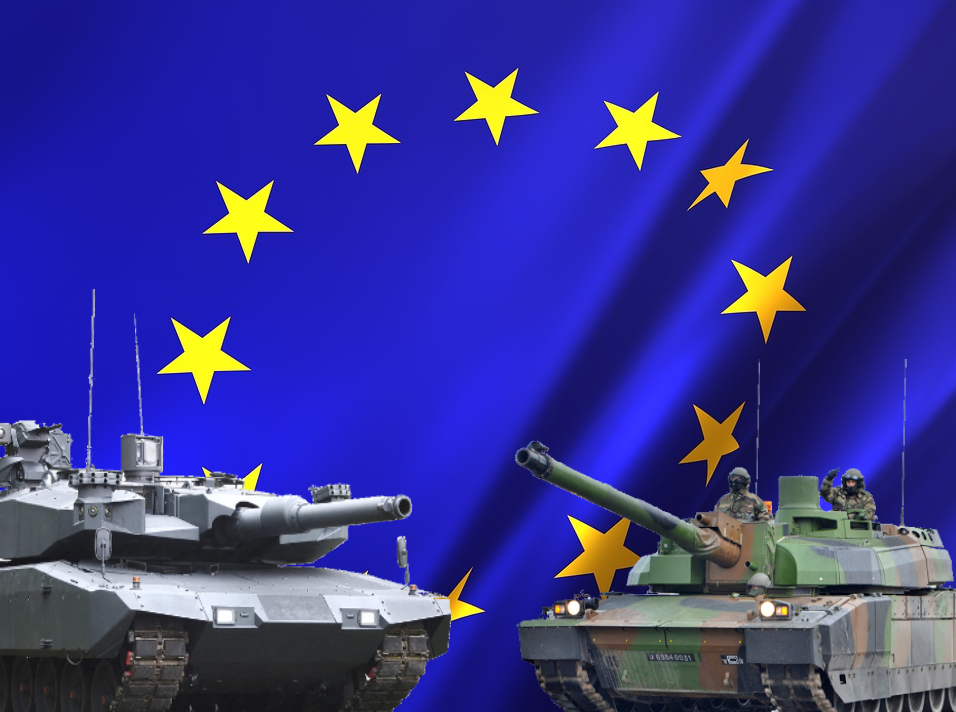
‘European Integration’ has been a key phrase throughout it’s existence, and it’s of high importance to maintain European cohesion. The very union built on interdependence and institutions may very well be changing it’s ways, in order to both survive and strengthen. A threat to it’s multilateral agenda comes from within, underscoring it’s ability to become a global power. 2019 is set to be an important test for the European Union, let’s find out why.
The ‘Next Step’
Talks of a Franco-German alliance security alliance within the EU is becoming a possibility. Late last year, Emmanuel Macron called for a “true European army”, in order to face a multitude of threats from both East and West, such talk will be dubbed as the ‘Next Step’ for EU integration. At the same time, Macron’s France is facing a political upheaval from the Yellow Vests (Gilets Jaunes). Angela Merkel plans to step down by 2021, leaving Germany open to the possibility of alternative politics.
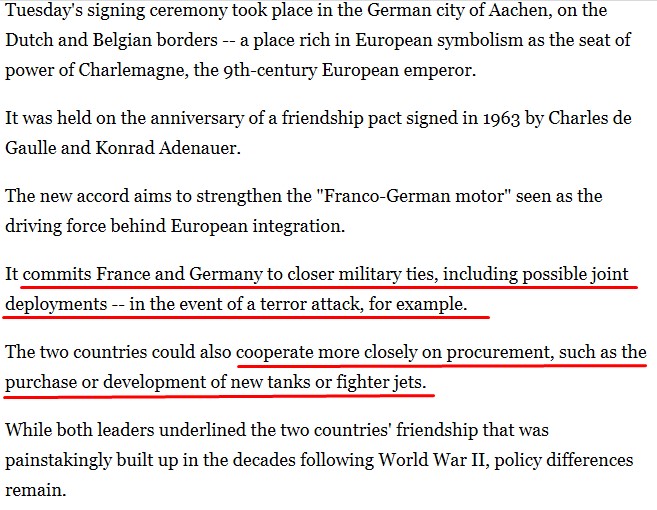
Apart from the reports of both states increasing military co-operation in the future, the Aachen treaty, signed on the 22nd January 2019, also plans to further social and cultural interaction between the two respected states. This is nothing new in the grand scale of events, however the treaty is under threat from increasing nationalism in both countries.
The Aachen treaty, historical given it’s name would commit ‘France and Germany to closer military ties… joint deployments’ and co-operate closer on ‘weapons purchases and development’. These might sound impressive developments and will have several long term implications for the future, should they come into fruition. However, such plans might not become easily feasible in the long term.
This comes on the back of previous hints of increasingly closer security co-operation. Germany is reported to be mulling the idea of including non-German soldiers into it’s ranks, including professional roles, such as doctors. [1] Such a move would be mark a considerable shift in post-WWII Germany.
A New European Union?
The plan of increasing military and security co-operation within the EU is not without fierce critique.
Nationalists in both France and Germany view this move as a threat to their countries identity and sovereignty. As the EU may be moving ever closer with co-operation on such tender issues, such as foreign policy and military security, some are questioning what the end goal of such co-operation might look like.
The British for example are worried that an ‘EU military alliance’ would blur the lines with NATO. Currently, the US is the leading military force present in the European theatre, it has active forces based mainly in Eastern Europe. In 2011, the US was the key force behind the humanitarian intervention in Libya, where any sort of combined European action was and still would be almost impossible.
The UK will still want to keep it’s military ties to NATO and more importantly the US. The post-Brexit UK may not be a military threat to the bloc, but the economic and social affects of it’s exit will certainly play into the hands of the EU’s adversaries.
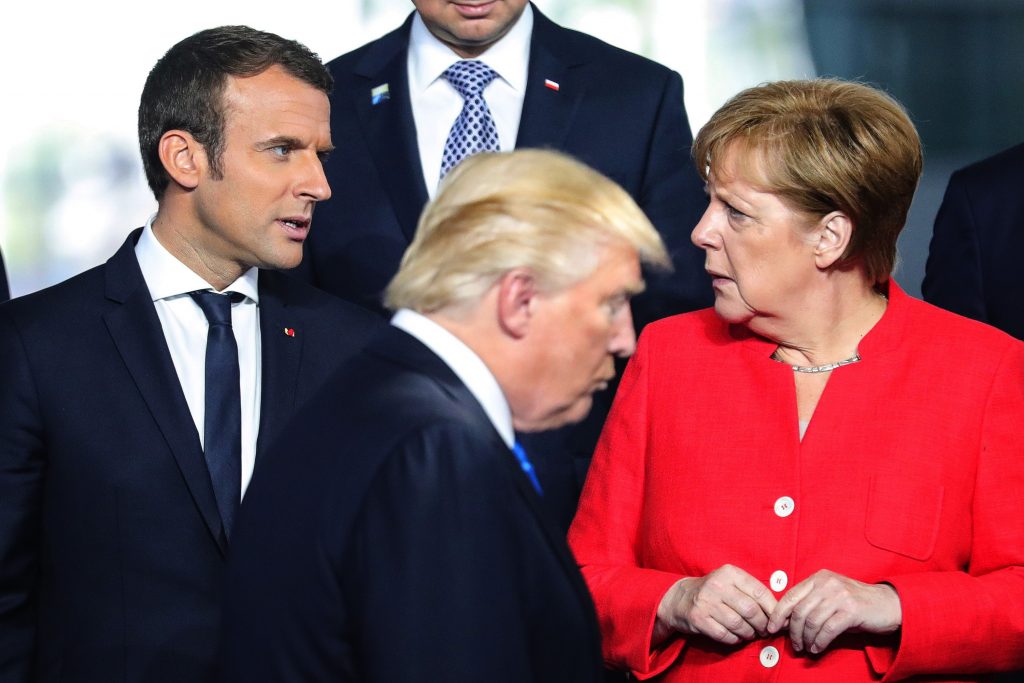
The future of NATO may look uncertain, with the Trump administration bent on having it’s way with shared payments of 3% of GDP towards members military forces. American commitment to the alliance is looking increasingly shakey, and so is the American relationship with France and Germany.
With a potential slowdown of its car industry, Germany, known as the ‘engine of Europe’ is on an economic slowdown. Brexit uncertainties, China and increasing focus on a shift towards Green energy, are some of the main factors. Nevertheless, it still remains early to judge what, if any, impacts it could have by the end of this year, with growth projected to be at 1.1% instead of 1.8%. [source]
Indeed, the EU has a sizable influence in world politics, it’s multilateralism has encouraged the bloc to engage in spreading it’s normative power. That is, it’s core values of ‘democracy, human rights and peace’ that it perceives as norms. But from recent times, these shared interests have sometimes been challenged from within. Arguments regarding migration and national identity are increasingly polarising member states. Even with plans of a shared military, issues on foreign policy and the military will be hard to unify. What the plan doesn’t explain is a shared UNSC seat for Germany or arms sales to Saudi Arabia.
—–
EU leaders are accelerating their push for intergration, and the Aachen treaty will serve as a benchmark of further co-operation. It’s planned expansion into the Western Balkan states will require elements of military security, and without the support of America in NATO, the EU will find it hard to fulfill those needs in it’s current state.
‘Beyond differences and geographical boundaries there lies a common interest’ – Jean Monnet’s quote will need to be put to the test if the European Union is to survive in the foreseeable future. The Franco-German project will test the nerve of integration and time will tell if it’s ideas will be a step too far.
Read: Security Review | Western Balkans
[1] – https://www.bbc.co.uk/news/world-europe-46692176
Our Telegram Group!